
Spain / Story
Engineers call for long-term rail repair plan after Urda
The civil engineers’ monitoring committee seeks about €10 billion over ten years and wants every one of 170 signalling incidents examined.
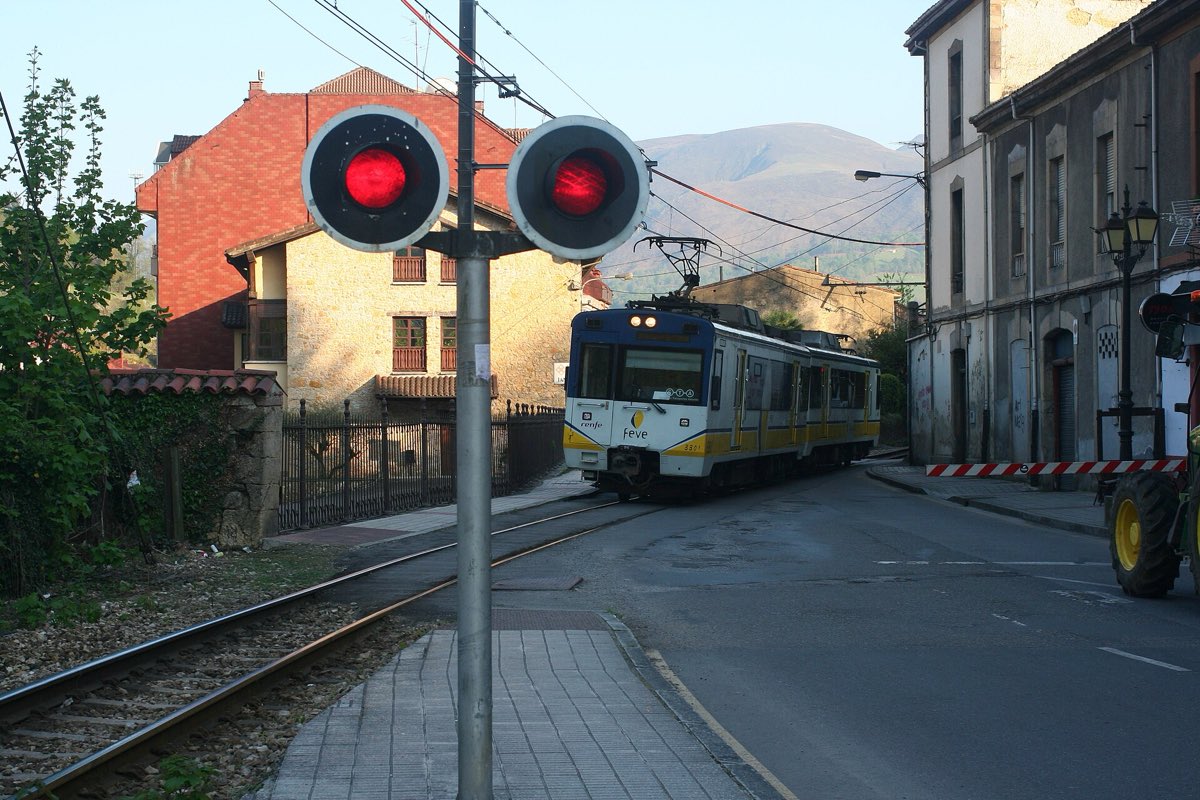
Spain’s civil engineers’ association called on Wednesday for a long-term plan to maintain and repair the high-speed rail network. Its Urda crash committee put the cost at about €10 billion over ten years.
The statement followed the Urda crash, which killed 69 people. It was the second grave accident this year on the Madrid–Seville line. A separate crash near Adamuz, Córdoba, killed 46 people in January.
Iñaki Barrón speaks for the committee set up by the Colegio de Ingenieros de Caminos, Canales y Puertos. He previously led the commission that investigated rail accidents.
Barrón said two crashes of such scale on the same line in one year were not normal. He also pointed to 170 incidents involving the LZB system in ten months. The Transport Ministry has confirmed that figure for the Madrid–Seville route.
Maintenance over a decade
Barrón estimated that regular maintenance would need at least €3.5 billion over the next decade. He added about €7 billion to repair parts of the network that had not received enough work. He rounded the total to about €10 billion.
He said maintenance should be steady, checked and certified. In his view, rail must be treated as a national project. A four-year term is too short to plan, build and care for major public works, he said.
Barrón argued that a line gets worse at a faster rate if it is allowed to decline. He said Spain’s rail system had lost trust and some of the strengths that once made it a world model.
Control rooms and signalling
Barrón said it was too early to blame any person for the Urda crash. He argued that the traffic-control system used by Adif on high-speed lines was the issue that now needed review. Adif manages Spain’s rail infrastructure.
He defended LZB as a reliable signalling system and said it should not be blamed as a whole. However, he called 170 incidents in ten months far from normal. Each case should be checked for its effect on train running and on the system, he said.
Barrón warned that moving between a main system and a backup can create unusual tasks and confusion without regular training. He also called the order “at normal speed” unclear. He said it could refer to several different speed limits.
The committee spokesman wants control rooms to include staff from train operators. They should be able to help make decisions and pass on orders. He also called for staff training that prepares teams to work under unusual conditions without severe stress.
Barrón said more trains after market opening did not have to mean more crashes. He described Spain’s lines as well below full use. He also said the Madrid–Barcelona line could be renewed without a full closure, although planned speed or capacity limits might be needed.
The cause of the Urda crash remains under investigation.
Sources: La Vanguardia, Diario de Cádiz, 20minutos, Expansión and Euronews.
Open reading during our launch. No account or payment required.
ARTICLE SOURCES
Sources and corrections
- El País (opens in a new tab)
- La Vanguardia (opens in a new tab)
- Diario de Cádiz (opens in a new tab)
- 20minutos (opens in a new tab)
- Expansión (opens in a new tab)
- Europa Press (opens in a new tab)
- Euronews (opens in a new tab)
- Euro Weekly News (opens in a new tab)
- Spain English (opens in a new tab)
- El Español (opens in a new tab)
Spain
DGT evening feed lists 19 road closures
1 min readPhoto: Javier Mediavilla (Javierme) · CC BY 4.0
Spain
Moreno seeks full Madrid-Andalusia rail audit after new faults
3 min readPhoto: Falk2 · CC BY-SA 4.0
Spain
Spain fuel prices: petrol averages €1.702, diesel €1.889
1 min readPhoto: Natalia Corcobado Pinilla · CC BY-SA 4.0