
Spain / Story
Spain cuts Madrid–Seville trains and adds two-controller safety rule
The measures follow the Urda crash, which killed 69 people. Óscar Puente announced them before resigning as transport minister the same day.
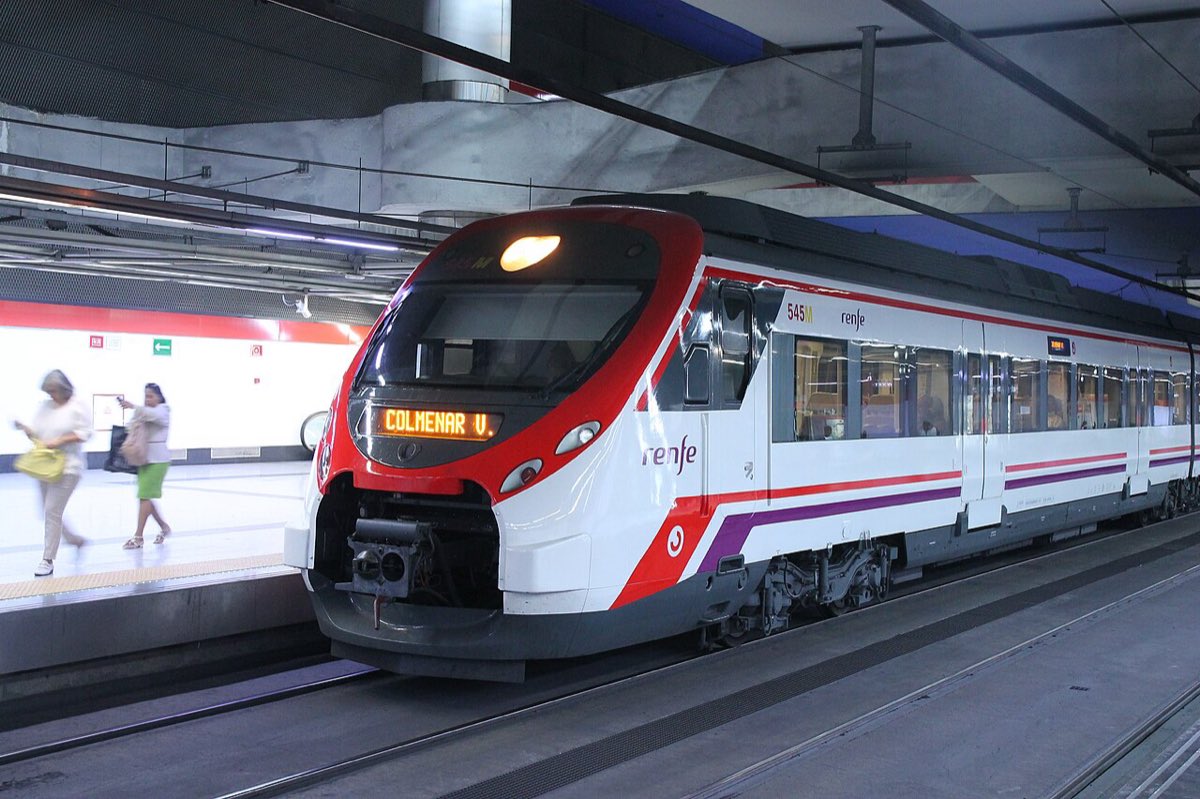
Spain will reduce high-speed trains on the Madrid–Seville line until it completes a safety review and brings in ERTMS Level 2 signalling. The government announced the plan on Tuesday after the Urda rail crash.
A second controller must now approve any order made when automatic train protection is not working. Renfe has also set a separate speed cap of 40 km/h for those cases.
The Urda collision killed 69 people on 28 October. A Renfe AVE struck the rear of an Iryo train that had stopped in Toledo province. More than 200 people were injured, and 38 were still in hospital when the measures were reported.
Fewer trains until the new system is ready
The service cuts will remain until the safety review ends and ERTMS Level 2 is in use. The newer signalling system is expected to start work in early 2027.
Transport Minister Óscar Puente said fewer departures would allow more space between trains. Longer trains made from two joined units should help keep the number of seats as high as possible.
The new two-person check applies when automatic block help is not available. One controller will issue the order and another must approve it before it is sent to a driver.
Renfe's 40 km/h limit is a rule for its own trains when the automatic safety system fails. Iryo has asked for the same limit to apply to all operators.
New checks, tools and staff rules
Spain's State Railway Safety Agency will carry out an urgent audit. It will build on a review done in November 2025.
Control rooms are due to get software with automatic alerts, digital records, checklists and clearer views of trains and tracks. The ministry also plans an AI tool and a digital model of the high-speed network.
Puente said the AI plan would enter new ground because no such rail safety tool now exists. The aim is to spot odd events and follow talks between drivers and controllers, but the system still has to be built.
The plan also calls for more staff cover, new rest rules and checks on tiredness. Training would include mentoring, tests and regular emergency drills.
Independent experts will study changes inside trains, including closed luggage spaces. Seat belts are not part of the current plan.
The crash inquiry is examining what happened after a safety system fault stopped trains along a 39-mile stretch. Under Puente's account, a control centre then let the AVE move while the Iryo remained stopped ahead. Investigators have not yet set out the final cause or responsibility.
Puente announced the measures and resigned later the same day. He also left the PSOE ticket for the 29 November election, saying two rail crashes of such weight in one year meant he could not stay.
The government has approved €30 million in aid for victims and families. Train drivers' union Semaf has called Renfe strikes for 10 and 12 November and has criticised poor working conditions and worn systems.
Sources: Spain English, The Guardian and Euro Weekly News.
Open reading during our launch. No account or payment required.
ARTICLE SOURCES
Sources and corrections
- Spain English (opens in a new tab)
- The Guardian (opens in a new tab)
- Euro Weekly News (opens in a new tab)
- Tenerife Weekly (opens in a new tab)
- The Olive Press (opens in a new tab)
- 20minutos (opens in a new tab)
Spain
DGT evening feed lists 19 road closures
1 min readPhoto: Javier Mediavilla (Javierme) · CC BY 4.0
Spain
Moreno seeks full Madrid-Andalusia rail audit after new faults
3 min readPhoto: Falk2 · CC BY-SA 4.0
Spain
Spain fuel prices: petrol averages €1.702, diesel €1.889
1 min readPhoto: Natalia Corcobado Pinilla · CC BY-SA 4.0