
Spain / Story
Puente resigns after Urda crash and withdraws from election
Spain’s transport minister stepped down on 3 November after two deadly rail disasters, hours after presenting new safeguards for high-speed services.
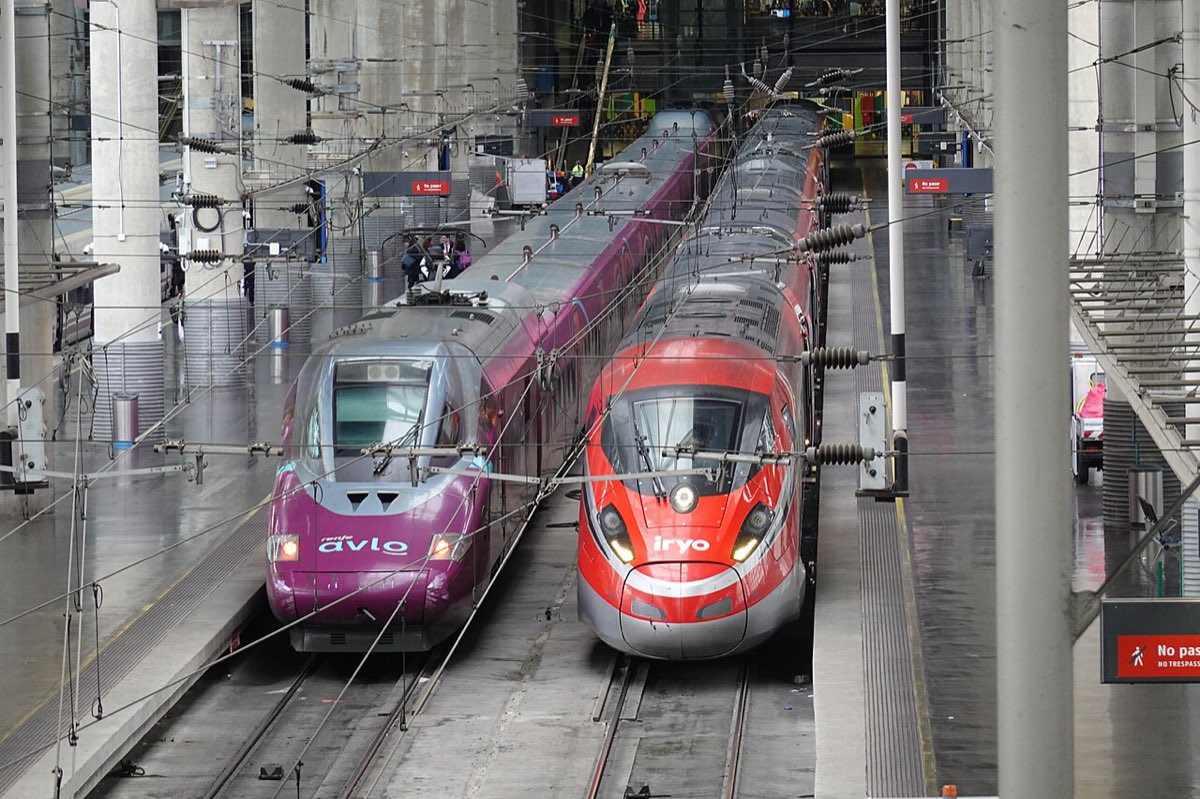
Óscar Puente resigned as Spain’s transport minister on Tuesday 3 November. He told MPs at the end of a long hearing in Congress. His exit came after two deadly high-speed train crashes within a year.
Puente also pulled out of the general election on 29 November. He had planned to lead the PSOE list in Valladolid. He said he could not stay after two crashes of this scale. He cited political duty and respect for the victims.
Hours earlier, Puente had set out a rail safety plan approved by the Cabinet. He said the aim was to make trains safer and win back public trust.
The Urda crash in Toledo killed 69 people and hurt more than 200 on 28 October. A separate crash near Adamuz, Córdoba, killed 46 people in January. Work to find the cause of each crash is still under way.
Two checks when systems fail
The plan says a second control-room worker must check key choices when automatic safety systems fail. Puente said a second person must also confirm orders sent to train drivers. Current staff will share the work, so the plan will not double staff numbers.
The Government also plans a 40 km/h cap when drivers must move by watching the track ahead. It wants to add instant alerts, digital logs and clearer screens. An AI tool would check talks between drivers and control rooms.
A signal fault stopped several trains before the Urda crash. Puente said a controller then let a Renfe train move on. An Iryo train was still at a stop farther up the track. The likely speed at impact was between 160 and 200 km/h. The exact cause is not yet known.
Fewer trains on one route
The State Railway Safety Agency will check the Madrid–Seville line. Fewer trains will run until that work is done and the newer ERTMS system is fitted. Puente said longer trains could keep much of the same seat capacity.
The plan also covers staffing, rest, tiredness checks and staff training. Puente gave no date for all the steps to start.
Opposition parties and some Government allies had called on him to go. Unions and rivals also said he seemed to put too much blame on one control-room worker. Puente had rejected such calls several times before he left.
His resignation changes the political response to the crash, but not the safety plan. The new checks and the line review remain Government policy.
Sources: The Guardian, Euro Weekly News, elDiario.es and HuffPost España.
Open reading during our launch. No account or payment required.
ARTICLE SOURCES
Sources and corrections
- HuffPost España (opens in a new tab)
- elDiario.es (opens in a new tab)
- La Moncloa (EN) (opens in a new tab)
- Euro Weekly News (opens in a new tab)
- The Guardian (opens in a new tab)
- The Olive Press (opens in a new tab)
- El Español (opens in a new tab)
- Europa Press (opens in a new tab)
- ABC (opens in a new tab)
- El Mundo (opens in a new tab)
Spain
DGT evening feed lists 19 road closures
1 min readPhoto: Javier Mediavilla (Javierme) · CC BY 4.0
Spain
Moreno seeks full Madrid-Andalusia rail audit after new faults
3 min readPhoto: Falk2 · CC BY-SA 4.0
Spain
Spain fuel prices: petrol averages €1.702, diesel €1.889
1 min readPhoto: Natalia Corcobado Pinilla · CC BY-SA 4.0