
Spain / Story
Renfe, Iryo and Semaf propose 40 km/h safety cap
The safeguard would apply when LZB or ERTMS supervision fails, regardless of any instruction from Adif’s control centre to resume normal running.
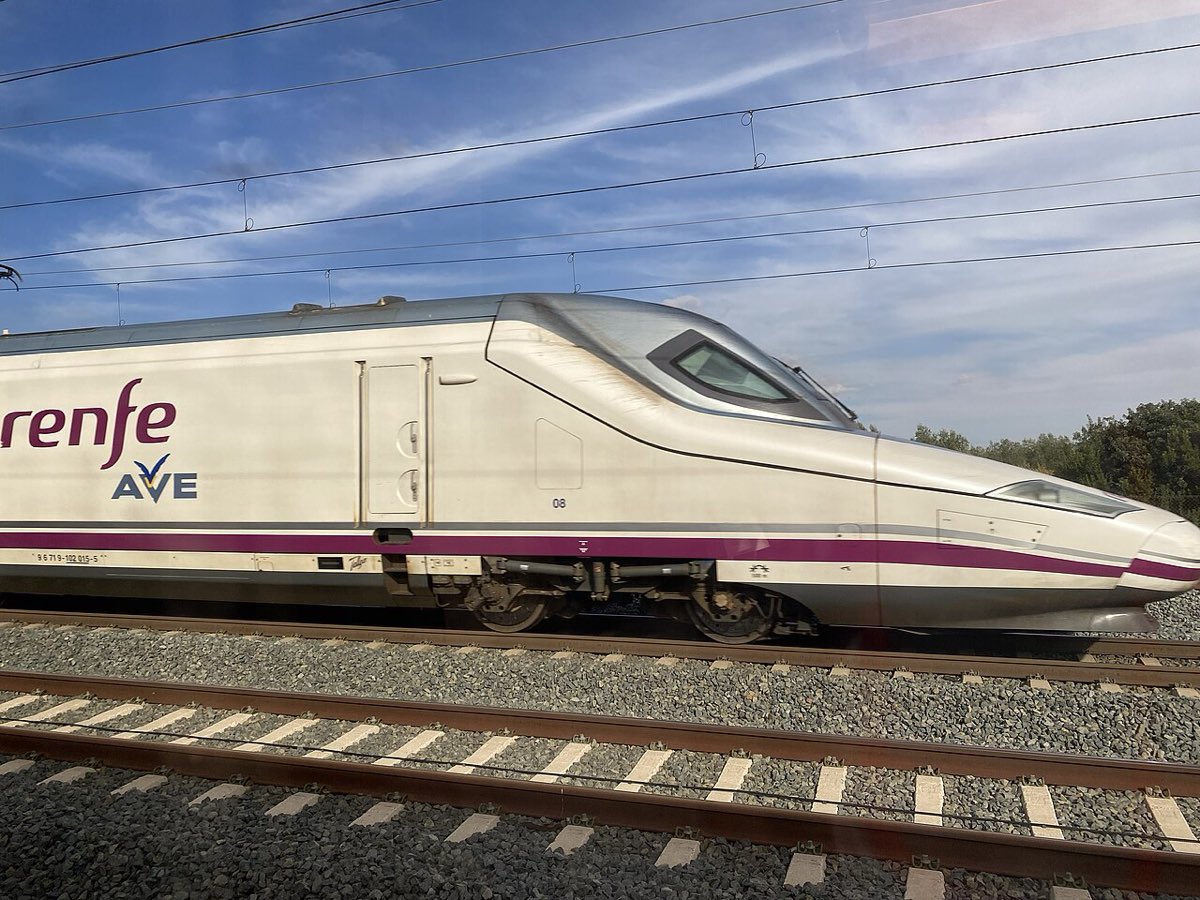
Renfe, private operator Iryo and train drivers’ union Semaf have proposed a 40 km/h ceiling for high-speed trains whenever LZB or ERTMS safety supervision fails, even if Adif’s control centre authorises normal running. The proposal follows Wednesday’s Urda collision in Toledo province; the Centro Integrado de Datos puts the provisional death toll at 69.
InfoLibre reported that the safeguard would probably have prevented the crash by stopping the AVE from accelerating to the authorised normal-running speed of up to 200 km/h.
How the proposed limit would work
LZB sends trains their permitted speed and braking distance through a cable along the track. After a partial LZB blockage on Wednesday, the AVE was told to continue under the BSL backup regime at normal speed rather than running on sight. The Iryo service remained stationary farther along the track. Although the AVE driver tried to stop, the trains collided. Transport minister Óscar Puente said the instruction could not be explained.
Iryo has asked the AESF rail safety agency to impose the 40 km/h limit when LZB fails and BSL is used with ASFA protection. Semaf wants normal-speed running barred when more than one train could occupy a BSL block after LZB or ERTMS stops working.
Renfe already applies the limit internally.
Sources: infoLibre and elDiario.es.
Open reading during our launch. No account or payment required.
ARTICLE SOURCES
Sources and corrections
- infoLibre (opens in a new tab)
- La Vanguardia (opens in a new tab)
- elDiario.es (opens in a new tab)
- HuffPost España (opens in a new tab)
- 20minutos (opens in a new tab)
- Diario de Cádiz (opens in a new tab)
- El Español (opens in a new tab)
- El Mundo (opens in a new tab)
- Canal Sur (opens in a new tab)
Spain
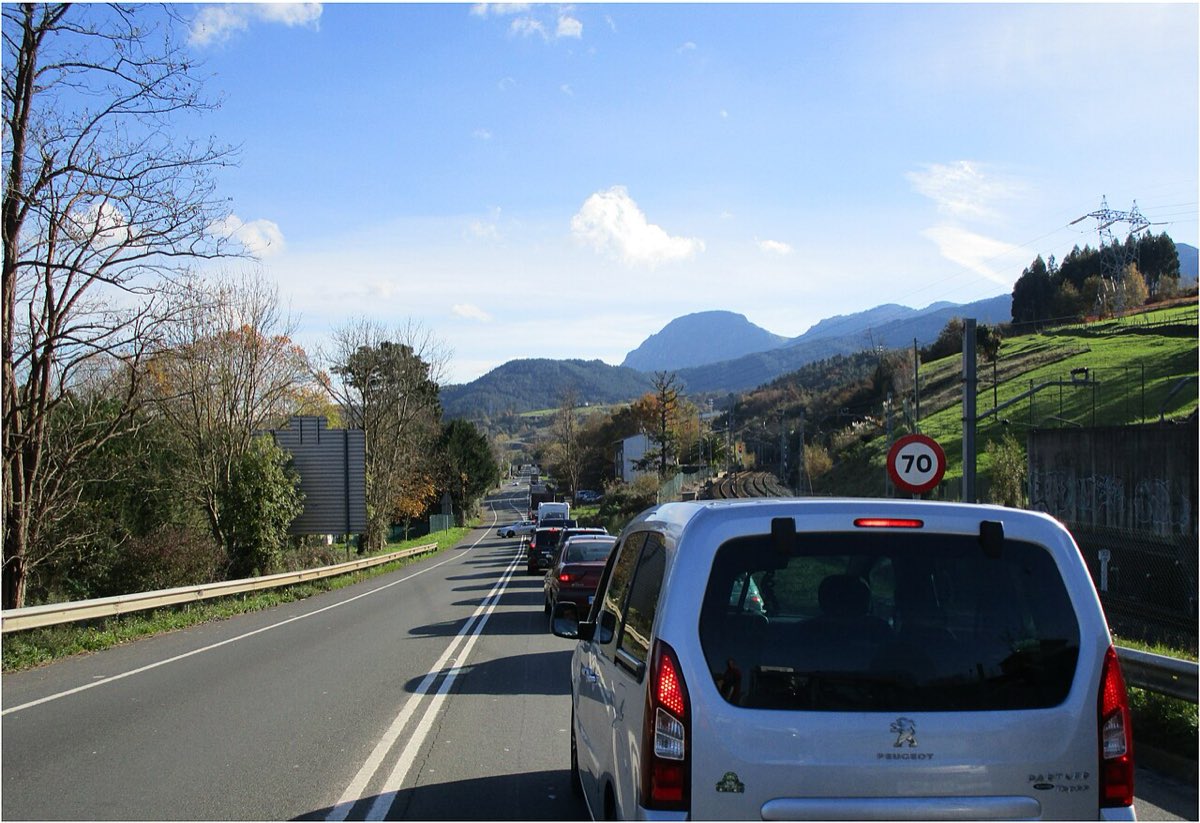
DGT evening feed lists 19 road closures
1 min readPhoto: Javier Mediavilla (Javierme) · CC BY 4.0
Spain
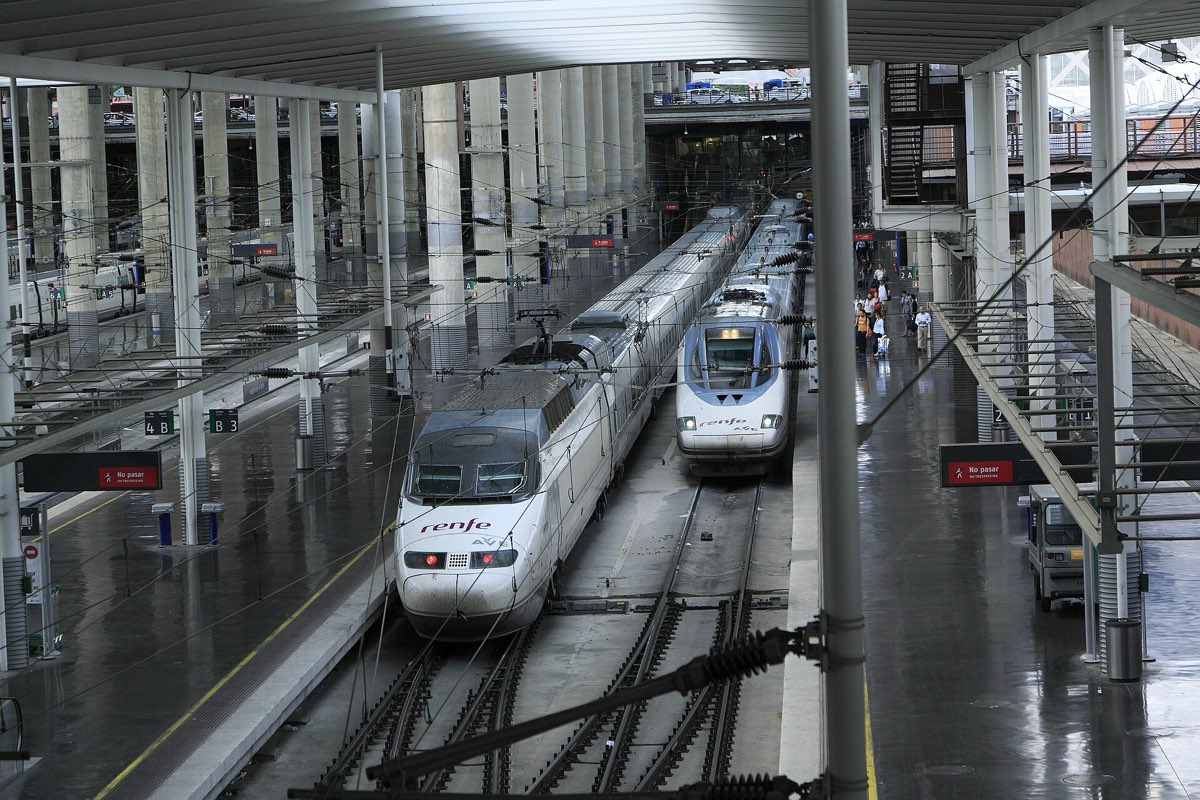
Moreno seeks full Madrid-Andalusia rail audit after new faults
3 min readPhoto: Falk2 · CC BY-SA 4.0
Spain
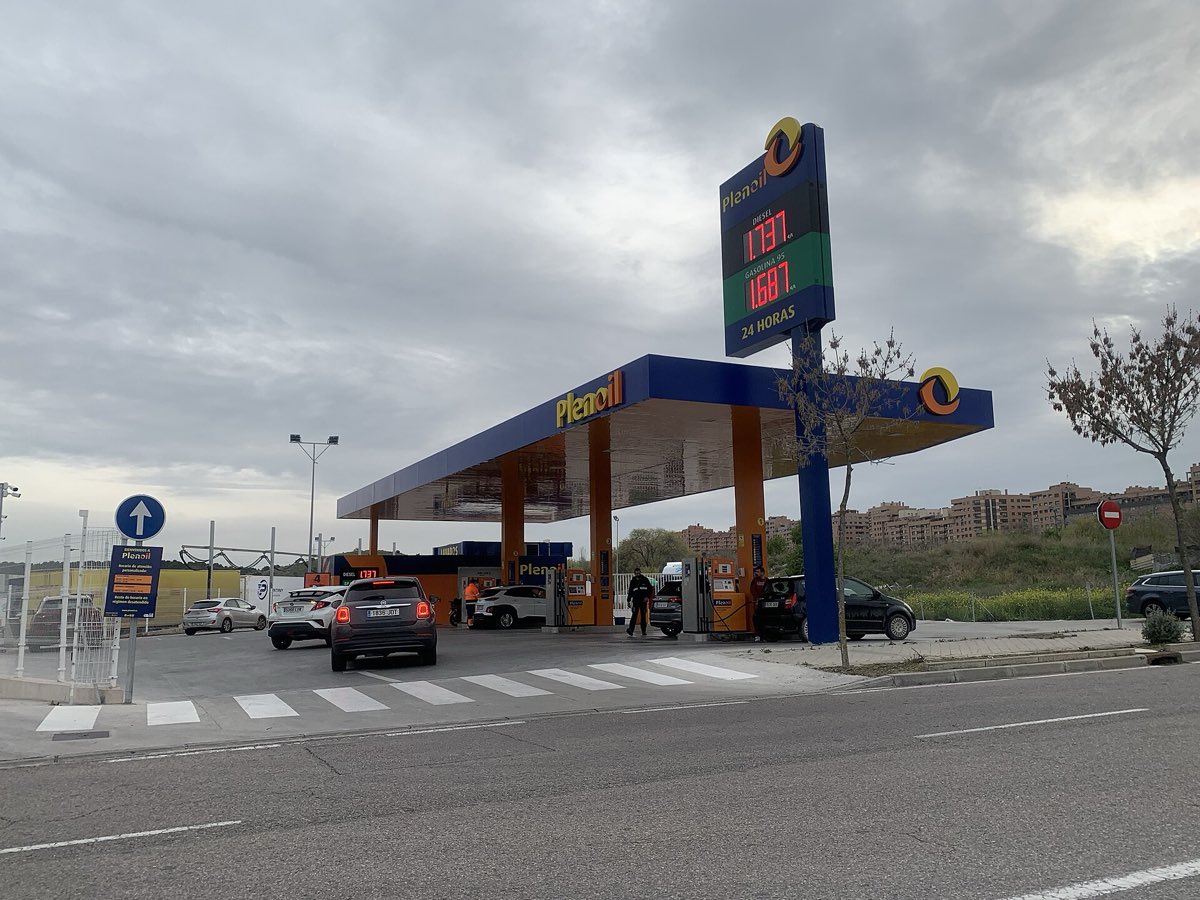
Spain fuel prices: petrol averages €1.702, diesel €1.889
1 min readPhoto: Natalia Corcobado Pinilla · CC BY-SA 4.0