
Spain / Story
Puente resigns after setting Madrid-Seville rail safeguards
The transport minister left office and withdrew from the election after announcing fewer trains, two-person checks and a wider safety review following the Urda crash.
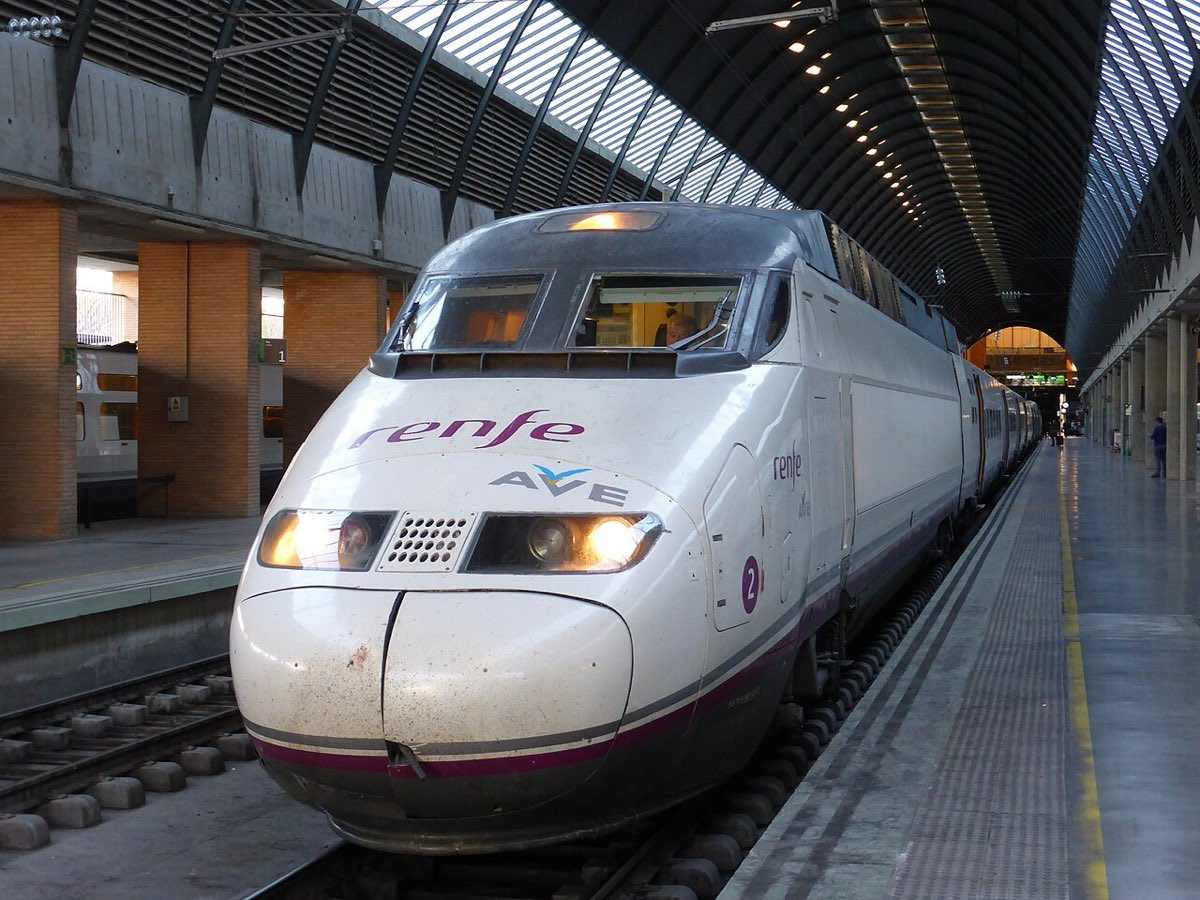
Óscar Puente resigned as Spain’s transport minister on 3 November and left the 29 November general election. He announced the decision after setting out new safeguards for the Madrid–Seville high-speed line.
Puente told lawmakers that he had decided to step down soon after the Urda crash. He said he waited until the first safety steps were ready. He called his departure a matter of political dignity and care for victims.
The crash happened near Urda, in Toledo province, on 28 October. A Renfe AVE struck the rear of a stopped Iryo train. It killed 69 people and injured more than 200. The probe is still trying to establish what went wrong.
The Urda disaster followed a January crash near Adamuz, in Córdoba province, which killed 46 people. Both involved Renfe and Iryo trains on the Madrid–Seville route.
Fewer trains after reopening
The line will run fewer services when it reopens. Puente said trains could run every 10 or 15 minutes, rather than every five minutes. The wider gaps will stay until a safety review is finished and ERTMS Level 2 replaces the older LZB system. ERTMS is due to enter service in early 2027.
Renfe may link two train units at busy times to protect seat numbers. The state has also asked the court to let it replace 400 metres of track. Puente gave a maximum reopening estimate of 10 days after the court grants approval.
Two checks for key orders
When automatic safety systems are down, a key control-room order will need two people to approve it. Staff already on duty will share that work. The aim is to stop one worker from making a critical decision alone during a system fault.
Renfe already tells drivers to stay at or below 40 km/h after an LZB fault. Iryo wants that limit to apply to every operator. Those wider rules are still requests, and the crash probe remains open.
Control rooms will get clearer screens, automatic alerts and electronic logs of messages. The ministry also plans to test a digital model and artificial intelligence. These tools would help staff spot faults and flag unusual talks between drivers and controllers.
The State Railway Safety Agency will carry out an urgent audit. The plan also calls for more staff, better rest rules, checks on fatigue and more training. Experts will study closed luggage spaces, but seat belts are not proposed.
Puente’s resignation changes who leads the response, but the safety plan remains the latest policy. The Madrid–Seville line will reopen with fewer trains while the review and upgrade move ahead.
Sources: Spain English; Euro Weekly News; El Español.
Open reading during our launch. No account or payment required.
ARTICLE SOURCES
Sources and corrections
- El Español (opens in a new tab)
- El País (opens in a new tab)
- El Mundo (opens in a new tab)
- 20minutos (opens in a new tab)
- El Español (opens in a new tab)
- Spain English (opens in a new tab)
- Euro Weekly News (opens in a new tab)
- Spain English (opens in a new tab)
- The Local Spain (opens in a new tab)
- elDiario.es (opens in a new tab)
- Diario de Cádiz (opens in a new tab)
Spain
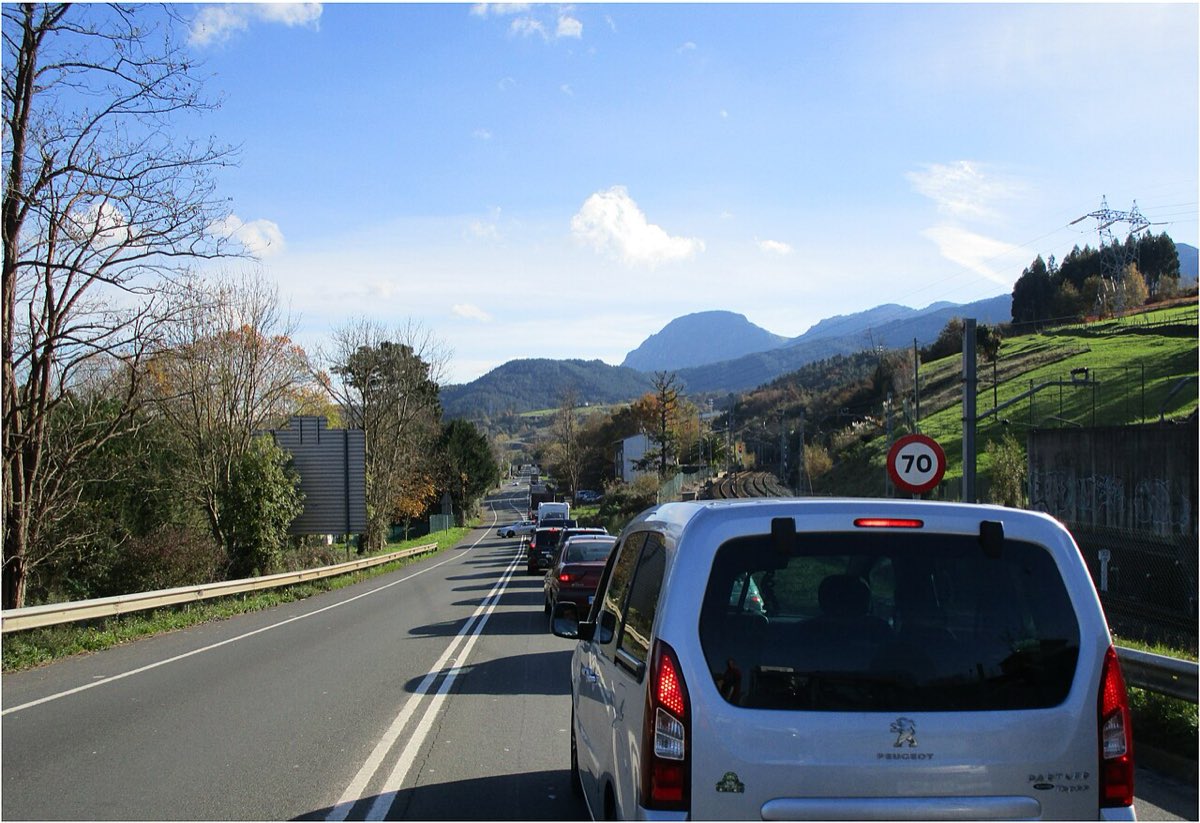
DGT evening feed lists 19 road closures
1 min readPhoto: Javier Mediavilla (Javierme) · CC BY 4.0
Spain
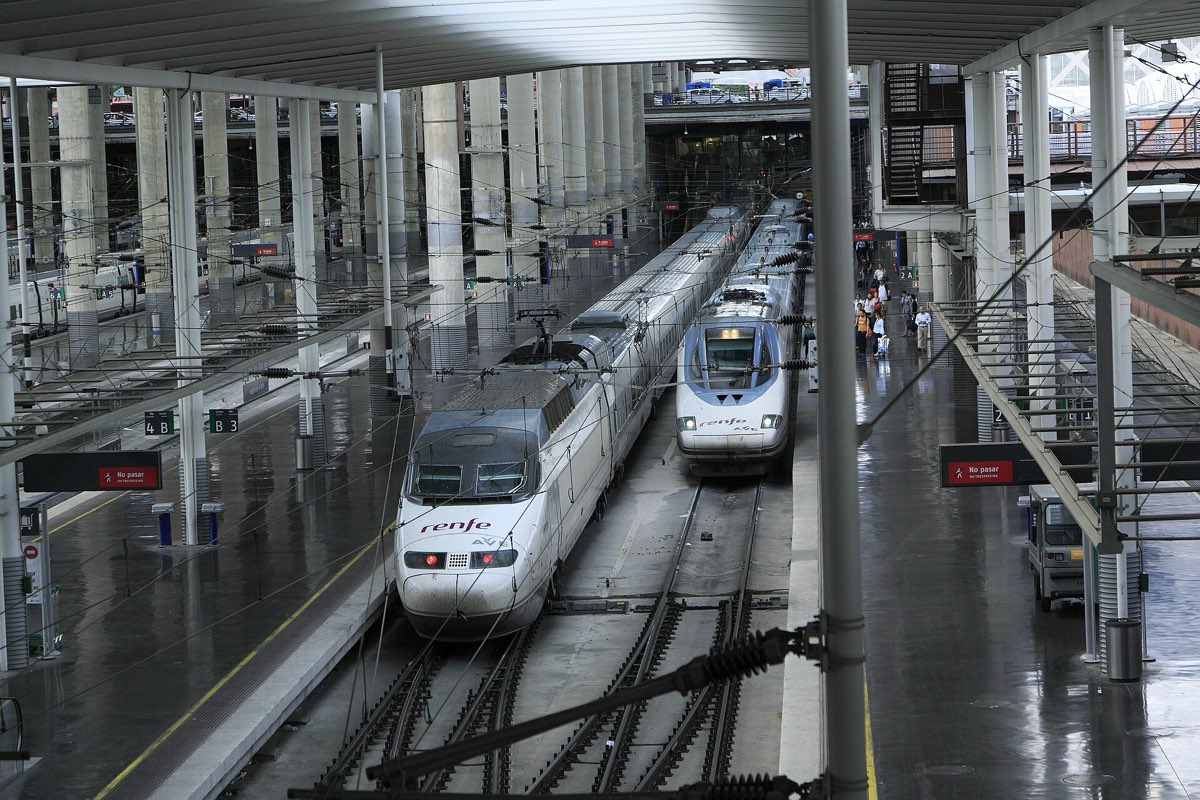
Moreno seeks full Madrid-Andalusia rail audit after new faults
3 min readPhoto: Falk2 · CC BY-SA 4.0
Spain
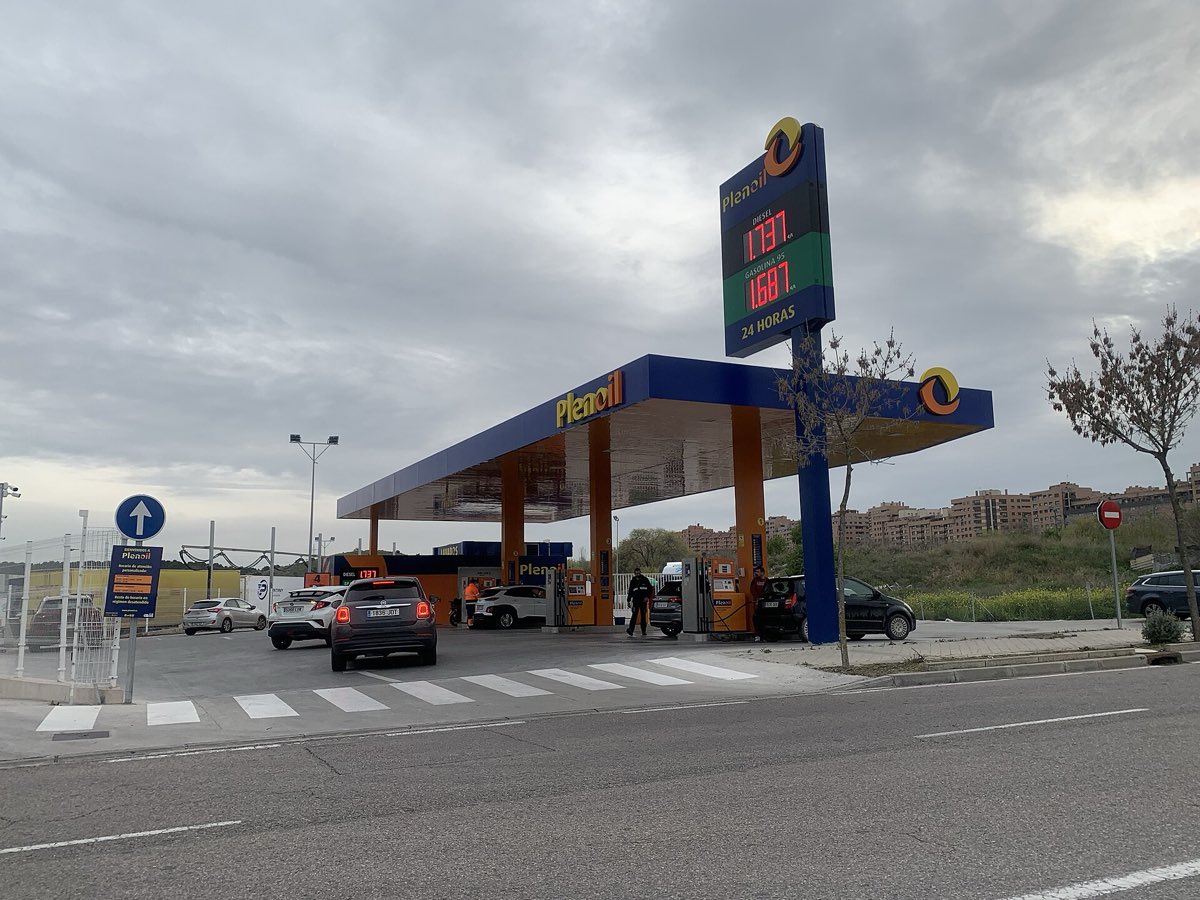
Spain fuel prices: petrol averages €1.702, diesel €1.889
1 min readPhoto: Natalia Corcobado Pinilla · CC BY-SA 4.0