
Spain / Story
Rail unions call 17 November strike after Urda crash
Adif and Renfe unions want stronger safety rules and better staffing. Their action follows the Urda crash and Óscar Puente’s resignation as transport minister.
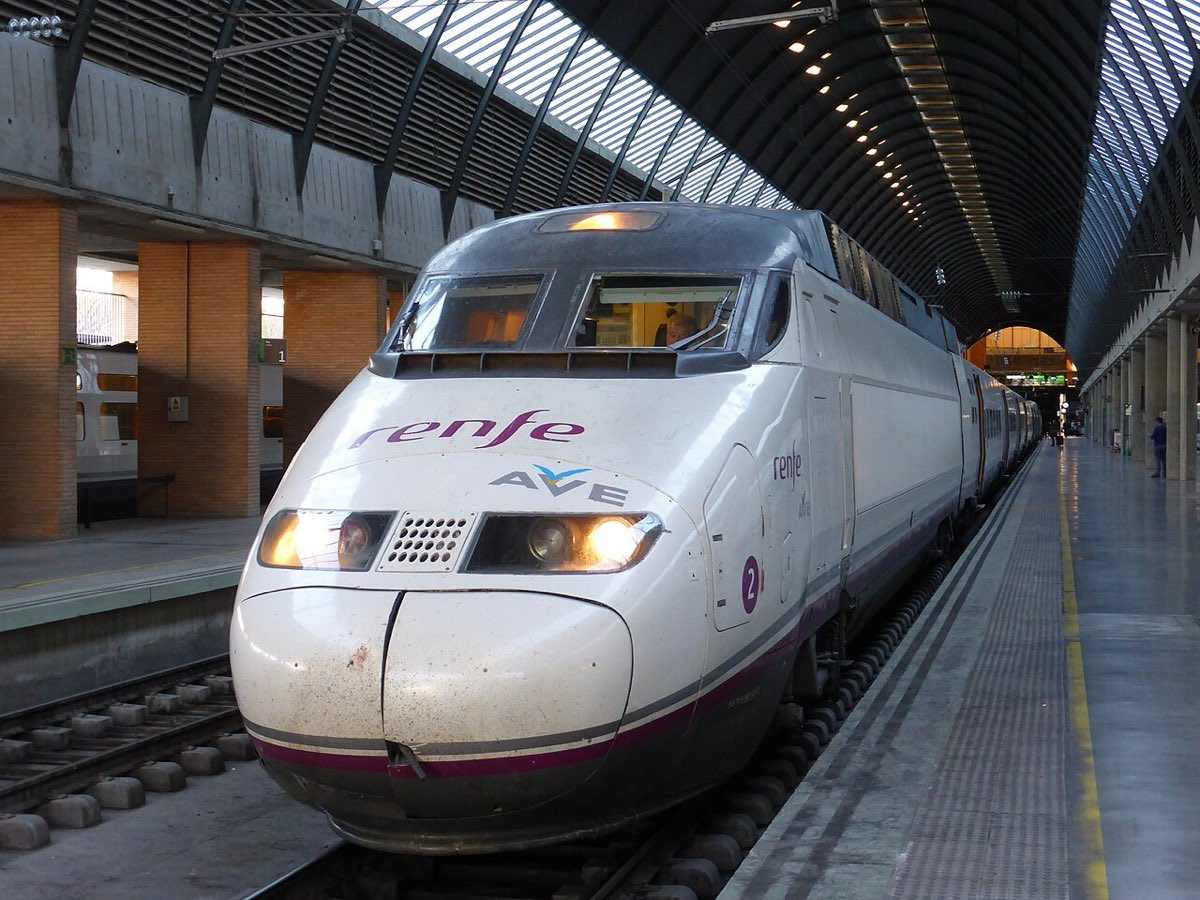
Rail unions for Adif and Renfe have called a strike for 17 November. They want stronger safety rules after the Urda crash and changes to staff conditions. The action is open to workers at Ouigo and Iryo, who are considering whether to join.
The crash happened near Urda, in Toledo province, on 28 October. A Renfe AVE hit the rear of an Iryo train that had stopped. It killed 69 people and injured around 200. The cause remains under investigation.
Óscar Puente resigned as transport minister on 3 November. He also left the 29 November general election. He said his decision was an act of political responsibility after two deadly rail crashes in less than a year.
A wider union campaign
The Adif and Renfe works councils backed the strike plan. The rail unions SF and SCF also joined it. CCOO, UGT and CSIF support the action.
The unions say rail staff face too few workers, heavy workloads and too much outside contracting. They also say Puente’s safety plan was drawn up without staff or victims. These are union claims.
Other action is due before the strike. A rail march is planned in Madrid on 14 November. It is due to start at noon at the Transport Ministry and end at Congress. Adif and Renfe works councils also plan a protest outside Congress on 16 November.
The drivers’ union Semaf has separate Renfe strikes set for 10 and 12 November. It has said staff work with systems in a poor state and face worse conditions.
New detail on the crash
Puente told lawmakers that the LZB safety system had failed before the collision. In his account, Adif’s control centre let the Renfe AVE continue while an Iryo train was stopped ahead.
Puente said the train covered roughly 25 kilometres before impact while its speed stayed above 160 km/h. Investigators have not yet set out the full chain of events or any final blame. Unions reject what they see as an attempt to put the fault on control-room staff.
Safety plan stays in place
Before he quit, Puente announced fewer Madrid–Seville trains after the line reopens. Services could run every 10 or 15 minutes instead of every five. The wider gaps will stay while safety checks are done and the ERTMS system is put into use.
Key control-room orders will also need two people when automatic safety systems are down. Renfe already tells drivers to stay at or below 40 km/h after an LZB fault. Iryo and Semaf want a common rule for all operators.
The ministry also plans an urgent audit, clearer control-room software and new staff rules. The strike adds pressure on the state and rail firms while the crash probe and safety work continue.
Sources: El Español; Euronews.
Open reading during our launch. No account or payment required.
ARTICLE SOURCES
Sources and corrections
- Canal Sur (opens in a new tab)
- elDiario.es (opens in a new tab)
- Diario de Cádiz (opens in a new tab)
- La Vanguardia (opens in a new tab)
- 20minutos (opens in a new tab)
- infoLibre (opens in a new tab)
- 20minutos (opens in a new tab)
- El Español (opens in a new tab)
- elDiario.es (opens in a new tab)
- Euro Weekly News (opens in a new tab)
- The Guardian (opens in a new tab)
- El Español (opens in a new tab)
- Euronews (opens in a new tab)
- ABC (opens in a new tab)
- El Español (opens in a new tab)
Spain
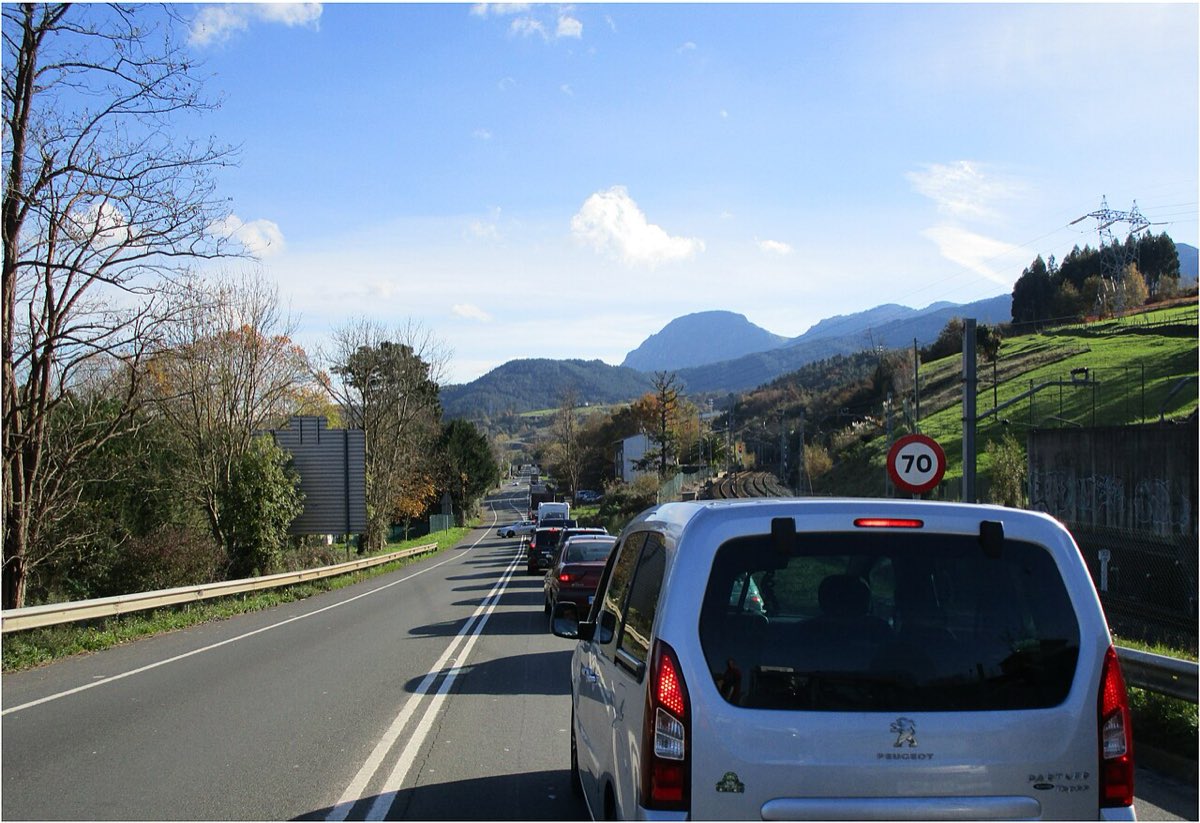
DGT evening feed lists 19 road closures
1 min readPhoto: Javier Mediavilla (Javierme) · CC BY 4.0
Spain
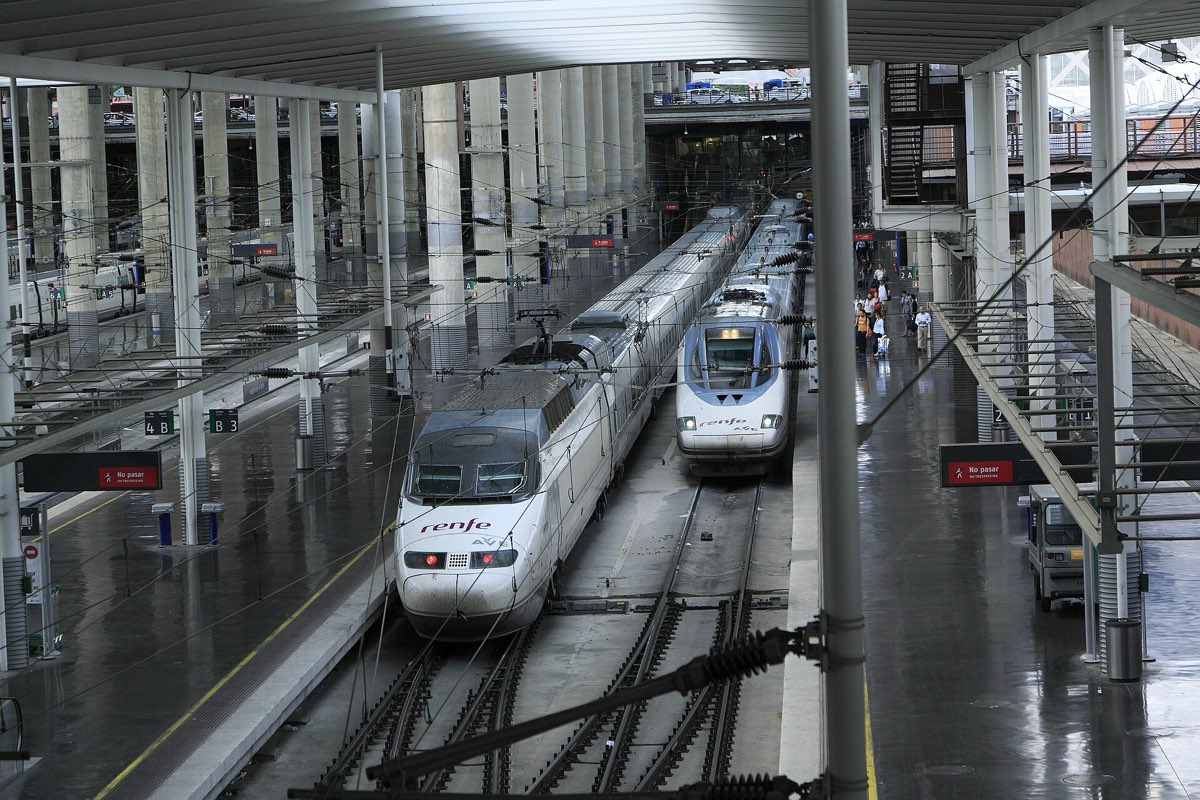
Moreno seeks full Madrid-Andalusia rail audit after new faults
3 min readPhoto: Falk2 · CC BY-SA 4.0
Spain
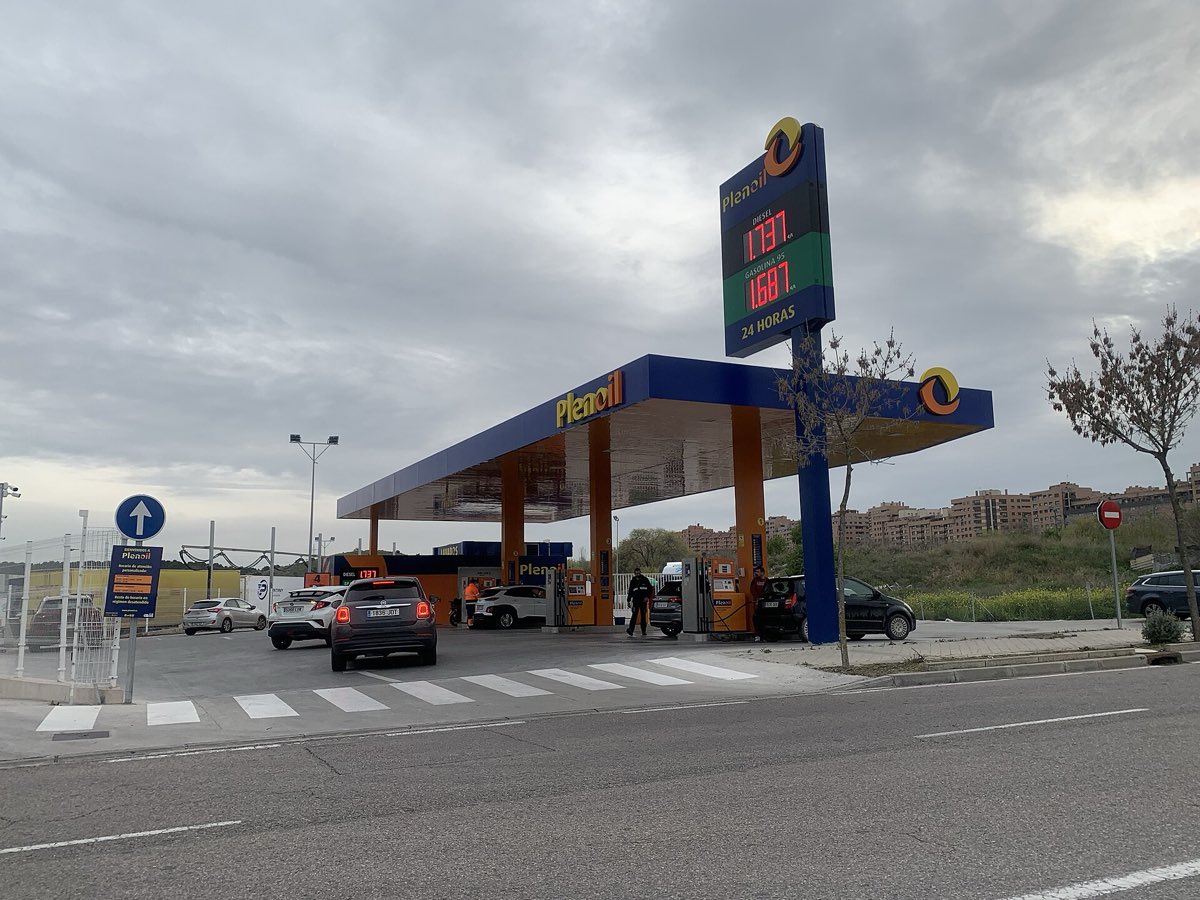
Spain fuel prices: petrol averages €1.702, diesel €1.889
1 min readPhoto: Natalia Corcobado Pinilla · CC BY-SA 4.0