
Spain / Story
Urda: Spain sets out aid and 40 km/h safety proposal
The government will approve advance support for crash victims as Renfe, Iryo and Semaf propose a strict speed limit when train safety systems fail.
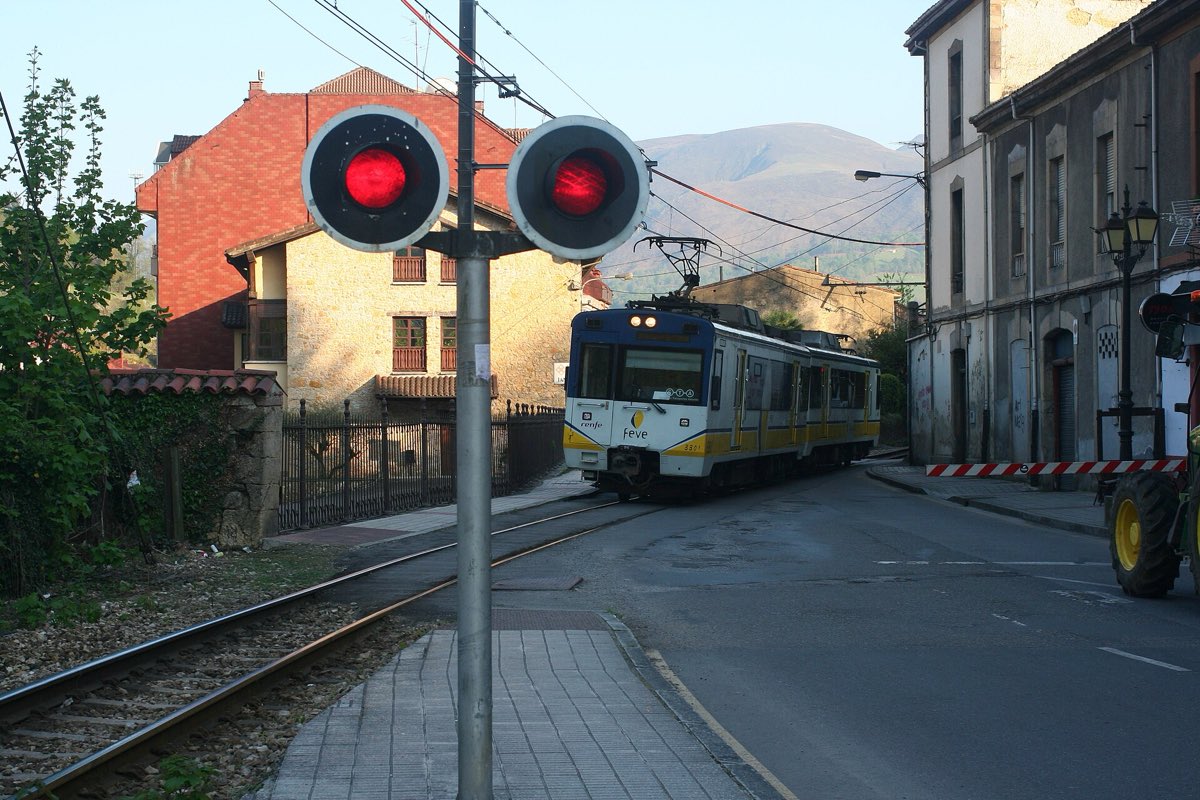
Spain’s government is due to approve emergency support for people affected by the Urda rail disaster on Tuesday, while Renfe, Iryo and the Semaf drivers’ union have proposed a 40 km/h cap when train safety systems fail.
The collision between an AVE and an Iryo high-speed train near Urda, in Toledo province, on 28 October killed 69 people. The proposal follows the crash, in which the AVE resumed at normal running speed while the Iryo train was stopped on the track. Transport Minister Óscar Puente described the instruction as “inexplicable”.
Support for victims
Prime Minister Pedro Sánchez said the package would provide advance compensation, financial aid worth twice the compulsory passenger insurance payment and improved temporary incapacity cover. Dedicated support offices are also planned in the areas where affected people live. The measures are due before the Cabinet on Tuesday and follow the approach used after the Adamuz rail disaster.
Sánchez said independent investigators and the courts were working to establish the cause. Transport Minister Óscar Puente is due to report to the Cabinet and appear before Congress’s standing committee on Tuesday.
Proposed speed safeguard
The operators and union want trains to remain below 40 km/h when safety systems fail, even if Adif’s control centre authorises normal running. Renfe’s instruction issued on 31 October already requires drivers to proceed at sight, at no more than 40 km/h, after an LZB block and to wait for Adif’s telephone confirmation before restarting. Iryo has separately asked the State Railway Safety Agency for more restrictive precautionary conditions.
The judge investigating the crash has also urgently required the crane contractor to supply enough operators for uninterrupted shifts and faster searches. The judicial proceedings remain under a secrecy order.
Sources: Spain English; infoLibre; 20minutos.
Open reading during our launch. No account or payment required.
ARTICLE SOURCES
Sources and corrections
- Diario de Sevilla (opens in a new tab)
- Diario de Cádiz (opens in a new tab)
- El País (opens in a new tab)
- 20minutos (opens in a new tab)
- elDiario.es (opens in a new tab)
- La Vanguardia (opens in a new tab)
- Diario de Sevilla (opens in a new tab)
- The Guardian (opens in a new tab)
- The Leader (opens in a new tab)
- Canal Sur (opens in a new tab)
- Spain English (opens in a new tab)
- infoLibre (opens in a new tab)
- Europa Press (opens in a new tab)
- ABC (opens in a new tab)
Spain
DGT evening feed lists 19 road closures
1 min readPhoto: Javier Mediavilla (Javierme) · CC BY 4.0
Spain
Moreno seeks full Madrid-Andalusia rail audit after new faults
3 min readPhoto: Falk2 · CC BY-SA 4.0
Spain
Spain fuel prices: petrol averages €1.702, diesel €1.889
1 min readPhoto: Natalia Corcobado Pinilla · CC BY-SA 4.0