
Spain / Story
Iryo asks rail safety agency to review Urda protocols
After the Urda crash, Iryo asked Spain's rail safety agency to reassess protocols and consider a 40 km/h limit after an LZB transmission loss; the request is not an approved rule.
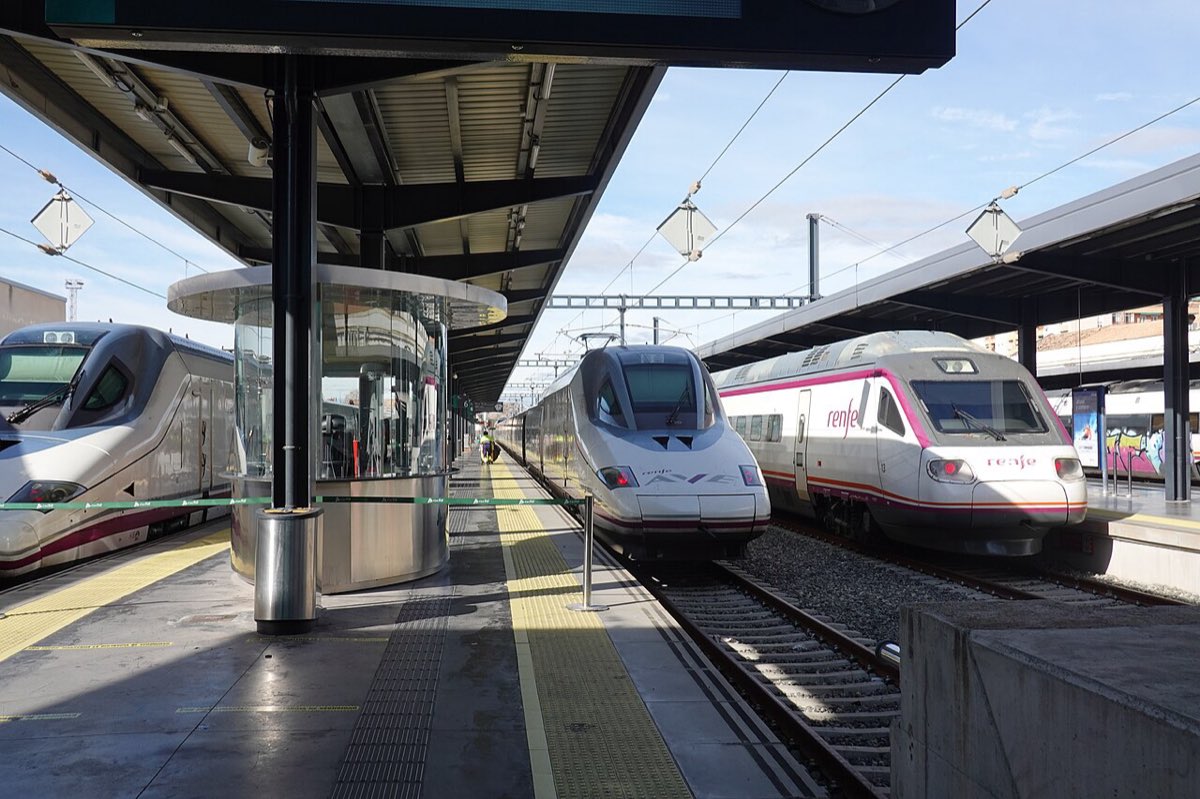
Iryo has asked the State Railway Safety Agency, AESF, to review safety protocols after the 28 October crash at Urda, Toledo, and consider a 40 km/h limit in specified signalling failures. At least 69 people died in the collision, according to El Español.
The operator sent a letter supporting an earlier request by the Semaf train drivers' union. Iryo says faults in the LZB system and the management of track sections allowed two trains to occupy the same section, which it links to the crash.
Proposed running restrictions
Iryo wants normal running barred whenever more than one train could be in the same track section. It asks that trains resume only under sight-based running when signalling fails, with a possible ceiling of 40 km/h.
The proposal sent to the AESF concerns trains using lateral signalling and ASFA protection after an LZB transmission loss. It is a request for the agency to reassess the rules, not an approved new requirement.
Reports differ on the status of Renfe's separate guidance for drivers. El Español says instructions have been sent, while Diario de Sevilla describes a document still being prepared and not yet definitive.
Earlier reporting by ABC described a Renfe draft requiring checks before a train resumes after a partial LZB loss, including confirmation that it is alone in the relevant section. Renfe says it can guide its staff, while Adif regulates railway circulation.
The AESF operates under the Ministry of Transport. The government is preparing technical and regulatory measures for high-speed rail safety, but those plans and Iryo's request remain proposals.
Sources: El Español; Diario de Sevilla; ABC.
Open reading during our launch. No account or payment required.
ARTICLE SOURCES
Sources and corrections
- ABC (opens in a new tab)
- HuffPost España (opens in a new tab)
- elDiario.es (opens in a new tab)
- El Español (opens in a new tab)
- Diario de Sevilla (opens in a new tab)
Spain
DGT evening feed lists 19 road closures
1 min readPhoto: Javier Mediavilla (Javierme) · CC BY 4.0
Spain
Moreno seeks full Madrid-Andalusia rail audit after new faults
3 min readPhoto: Falk2 · CC BY-SA 4.0
Spain
Spain fuel prices: petrol averages €1.702, diesel €1.889
1 min readPhoto: Natalia Corcobado Pinilla · CC BY-SA 4.0