
Spain / Story
Puente quits as Renfe reviews draft LZB rules
Puente resigned six days after the Urda crash, which killed at least 69. Separately, Renfe is reviewing an LZB draft that is not approved or in force.
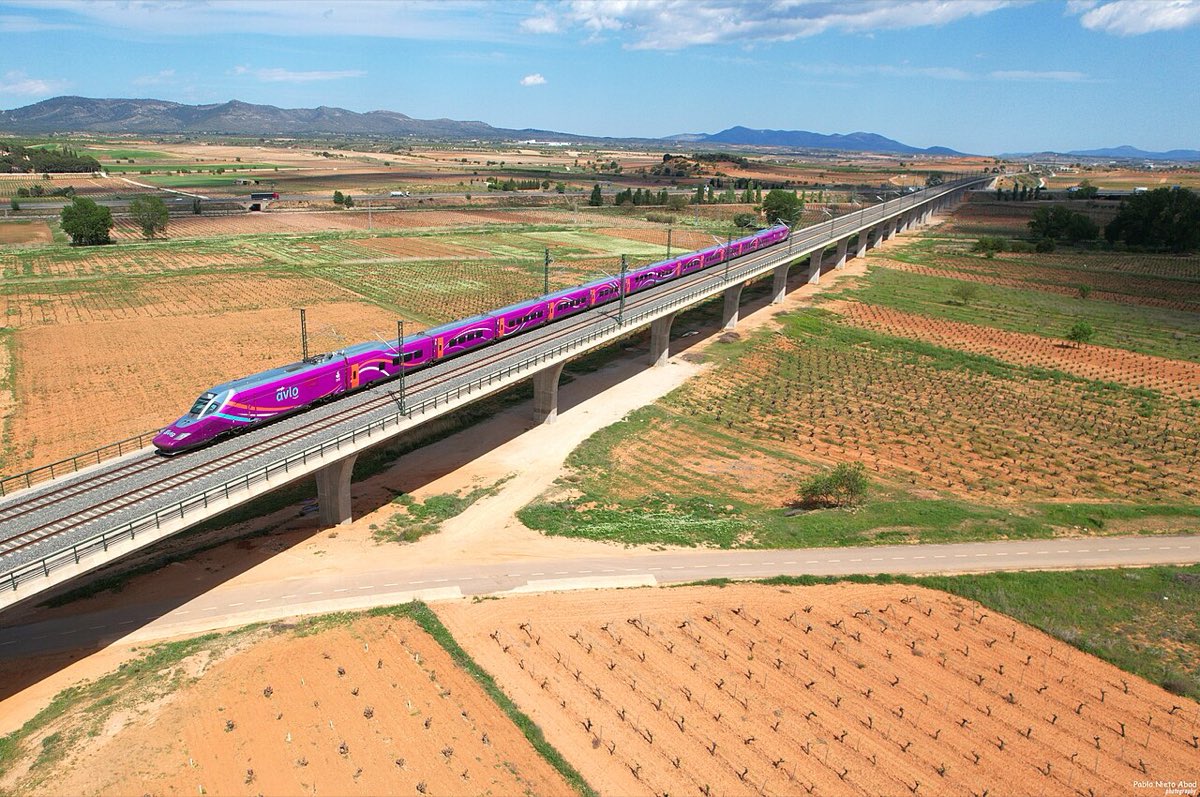
Transport Minister Óscar Puente resigned on Tuesday, six days after the 28 October crash near Urda. Reports put the toll at at least 69 dead and more than 200 hurt. Separately, Renfe is reviewing a draft instruction for drivers after partial LZB failure; it is not approved or in force. Puente also left the 29 November election race and said he had decided to quit soon after hearing of the crash.
He told lawmakers he waited to make his decision public until urgent safety steps were in place. He called it a matter of political dignity after two serious crashes in under a year.
Renfe’s new rule is still a draft
Renfe is writing a draft for drivers to use if part of the LZB safety system fails. The draft says drivers would stop at once and wait for a phone order from the control centre before moving again. That order is called an LZB3 instruction.
The plan would limit speed to 40 km/h until the train reached a named point. It would also require the control team to check that the next stretch of track was free. Renfe says the paper is a technical proposal under review, not a final decision.
The draft is not approved or in force, and Renfe has not sent it to drivers. The company is writing it with Adif and ERTMS, the system meant to replace LZB. It expects to announce measures in the coming days.
A different rule already sets a 40 km/h limit in some cases when trains move by sight after a system failure, according to 20minutos. That current rule is separate from Renfe’s new draft. Renfe says Adif, not the train operator, manages rail traffic.
Puente said he planned to cut services on the Madrid–Seville line until a safety review and ERTMS were in place. Reports describe this as a future change, not one already under way.
Crash inquiry remains open
A Renfe train hit a stopped Iryo train near Urda, in Toledo province. The Guardia Civil and the railway safety body, CIAF, are checking whether safety failures came before human error. This remains a line of inquiry, not a final finding.
Puente pointed to human error early in the crisis and called a control-centre decision plainly wrong. The Guardia Civil called an Adif operator at Atocha in as a suspect. The operator declined to answer questions with a lawyer present.
The Court of Instruction No. 2 in Orgaz leads the criminal case. CIAF is running a separate safety inquiry. At the time of the reports, the Atocha operator was the only person under criminal investigation. Other staff had spoken as witnesses, and the inquiry could widen, reports said. The operator’s status does not mean the court has found guilt.
Puente said LZB had 170 failures in 2026. He said the usual yearly range was 150 to 200. The crash cause and any personal blame remain under investigation.
Approved aid
The Cabinet approved €30 million in aid for injured people and families of those killed. The aid is approved; Renfe’s new safety rule is not.
Sources: Spain English, El Español, elDiario.es, El Confidencial and 20minutos
Open reading during our launch. No account or payment required.
ARTICLE SOURCES
Sources and corrections
- El Español (opens in a new tab)
- 20minutos (opens in a new tab)
- elDiario.es (opens in a new tab)
- Europa Press (opens in a new tab)
- El Confidencial (opens in a new tab)
- El Mundo (opens in a new tab)
- El Español (opens in a new tab)
- elDiario.es (opens in a new tab)
- Spain English (opens in a new tab)
- Euro Weekly News (opens in a new tab)
- The Local Spain (opens in a new tab)
- ABC (opens in a new tab)
- Expansión (opens in a new tab)
- Spain English (opens in a new tab)
Spain
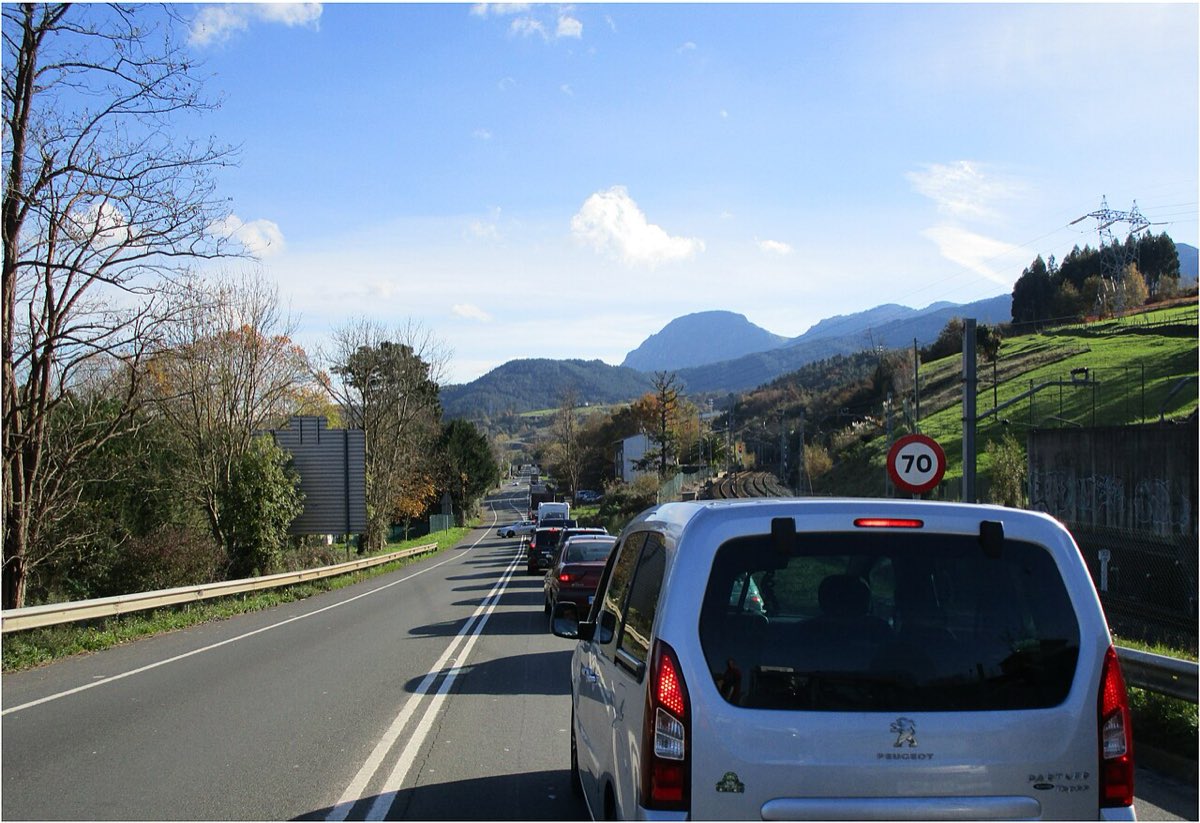
DGT evening feed lists 19 road closures
1 min readPhoto: Javier Mediavilla (Javierme) · CC BY 4.0
Spain
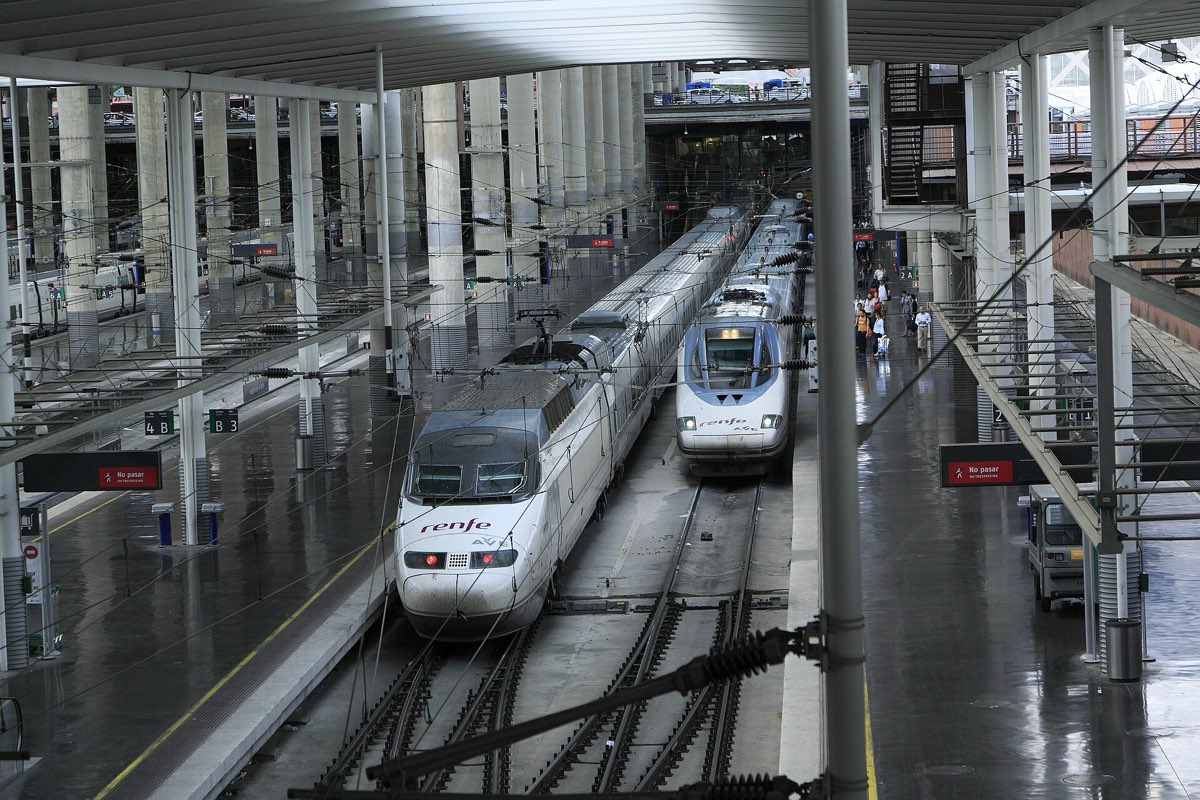
Moreno seeks full Madrid-Andalusia rail audit after new faults
3 min readPhoto: Falk2 · CC BY-SA 4.0
Spain
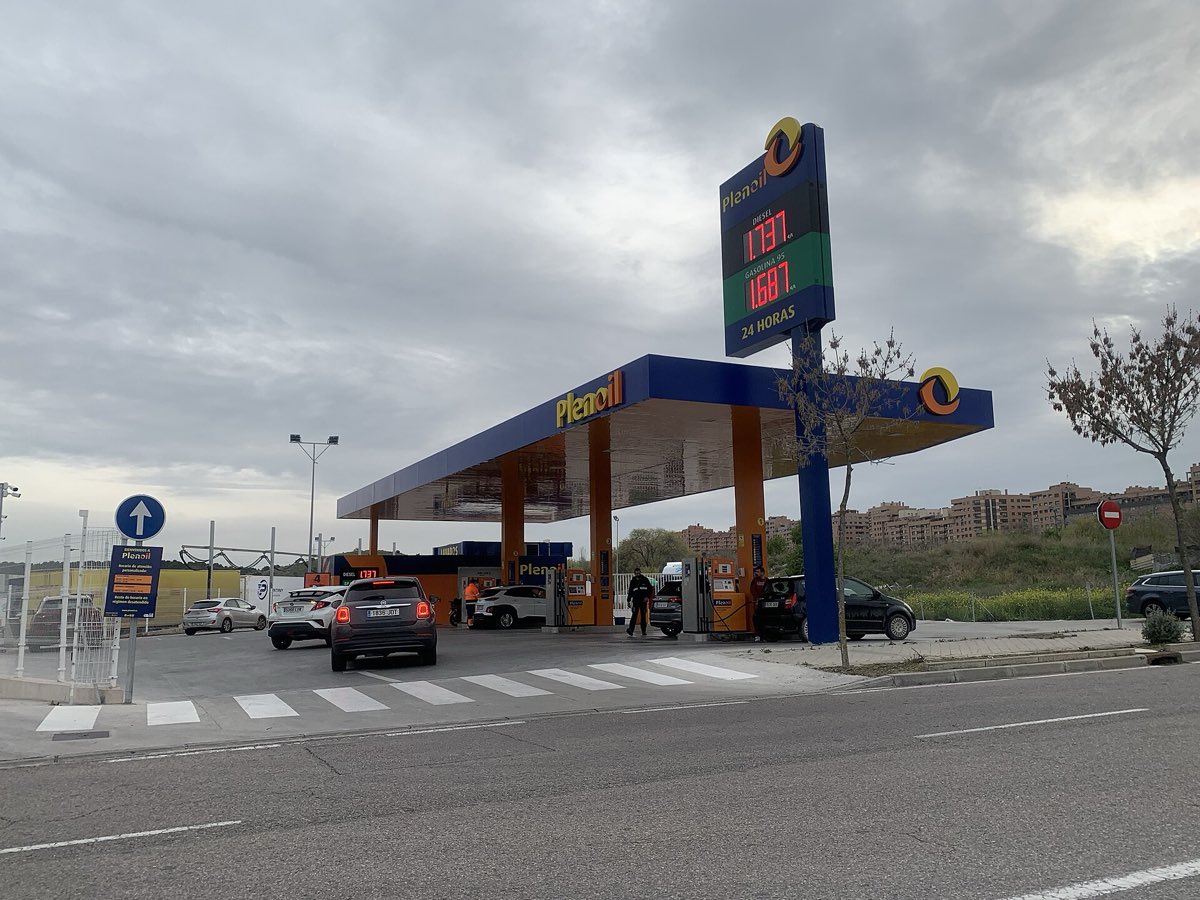
Spain fuel prices: petrol averages €1.702, diesel €1.889
1 min readPhoto: Natalia Corcobado Pinilla · CC BY-SA 4.0