
Current affairs / Story
Election board keeps Puente first on Valladolid ballot
Puente has left the race, but Ana Redondo now leads the PSOE list and ballots with his crossed-out name will remain valid on 29 November.
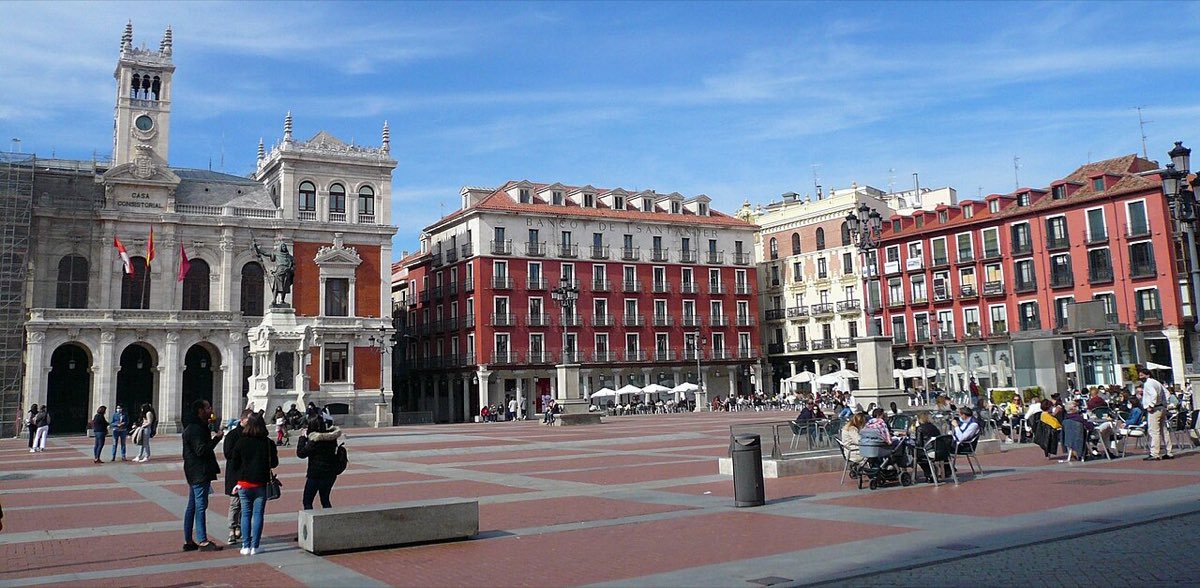
The Valladolid Electoral Board ruled on Thursday that Óscar Puente's name must stay first on PSOE ballots for the 29 November election. Puente has withdrawn from the race.
The board accepted his resignation but rejected the party's request to remove his name before the papers were printed. It also ruled that ballots with Puente's name crossed out will count as valid votes.
Ana Redondo, who had been second, now moves up to head the PSOE list for Congress. The other candidates also move up one place.
Why the ballot cannot change
Puente announced his exit on Tuesday 3 November. By then, the candidates had already been formally declared in Spain's official state gazette.
The board cited Article 48 of the election law. It said candidate papers cannot be changed after the official list has been declared.
Its decision also referred to rulings from 1986 and 1996. The law says later gaps on a list are filled by the next candidates and then by substitutes.
The PSOE leadership had asked on Wednesday for Puente's name to be removed. It said the change would avoid confusion among voters, but the board refused.
The result creates a split between the printed paper and the people still running. Puente's name remains first on the ballot, while Redondo is now the first active candidate.
Puente left after Urda crash
Puente withdrew from the election on the same day that he resigned as transport minister. He made both announcements after a hearing in Congress that lasted more than four hours.
He linked his departure to the high-speed rail crash near Urda on 28 October. The collision between a Renfe AVE and a stopped Iryo train killed 69 people in Toledo province.
The Urda crash followed another on the Madrid-Seville line near Adamuz in January. That disaster killed 46 people.
Puente said a transport minister could not remain after two crashes of such weight in less than a year. He described his decision as an act of political duty and care for the victims.
He also said no decision or failure by him had been shown to cause the Urda crash. The exact cause is still under inquiry.
Train ran after safety failure
Puente told MPs that the LZB safety system had failed before the Urda collision. Trains stopped on a 63-kilometre part of the line.
The Atocha control centre then allowed the Renfe train to move again. An Iryo train was still stopped ahead, according to Puente's account.
The AVE covered about 25 kilometres at more than 160 km/h before the crash. Investigators put its speed at impact between 160 and 200 km/h.
The government plans extra checks when safety systems fail. Two controllers would review key orders, and trains would face a 40 km/h limit when drivers must rely on sight.
Control rooms are also due to get new warning tools. These plans do not settle the inquiry into the crash.
Sources: El Español, Spain English, Euronews, Canal Sur and elDiario.es.
Open reading during our launch. No account or payment required.
ARTICLE SOURCES
Sources and corrections
- Canal Sur (opens in a new tab)
- Diario de Sevilla (opens in a new tab)
- Expansión (opens in a new tab)
- HuffPost España (opens in a new tab)
- elDiario.es (opens in a new tab)
- 20minutos (opens in a new tab)
- Euro Weekly News (opens in a new tab)
- HuffPost España (opens in a new tab)
- Spain English (opens in a new tab)
- Euronews (opens in a new tab)
- El Español (opens in a new tab)
- El País (opens in a new tab)
- HuffPost España (opens in a new tab)
- El Mundo (opens in a new tab)
Change log
The earlier version said Puente would leave the PSOE ticket; HuffPost España now reports that he will still appear first on the Valladolid ballot despite giving up the lead candidacy.
Current affairs
Madrid proposes €6,901 million budget with housing boost
2 min readPhoto: Szombat78 · CC0

Current affairs
Isaac Peral sinks retired Navy ship in Atlantic drill
2 min read
Current affairs
Andalusia plans Adamuz-style aid for Urda victims
2 min readPhoto: Pool Moncloa/Sandra Armada, lamoncloa.gob.es (Ministerio de la Presidencia) · Pool Moncloa, libre acceso