
Current affairs / Story
Cuerpo takes temporary Transport role after Puente resigns
Pedro Sánchez named the economy minister as an interim replacement, while aid and rail safety measures move forward after the crash that killed 69 people.
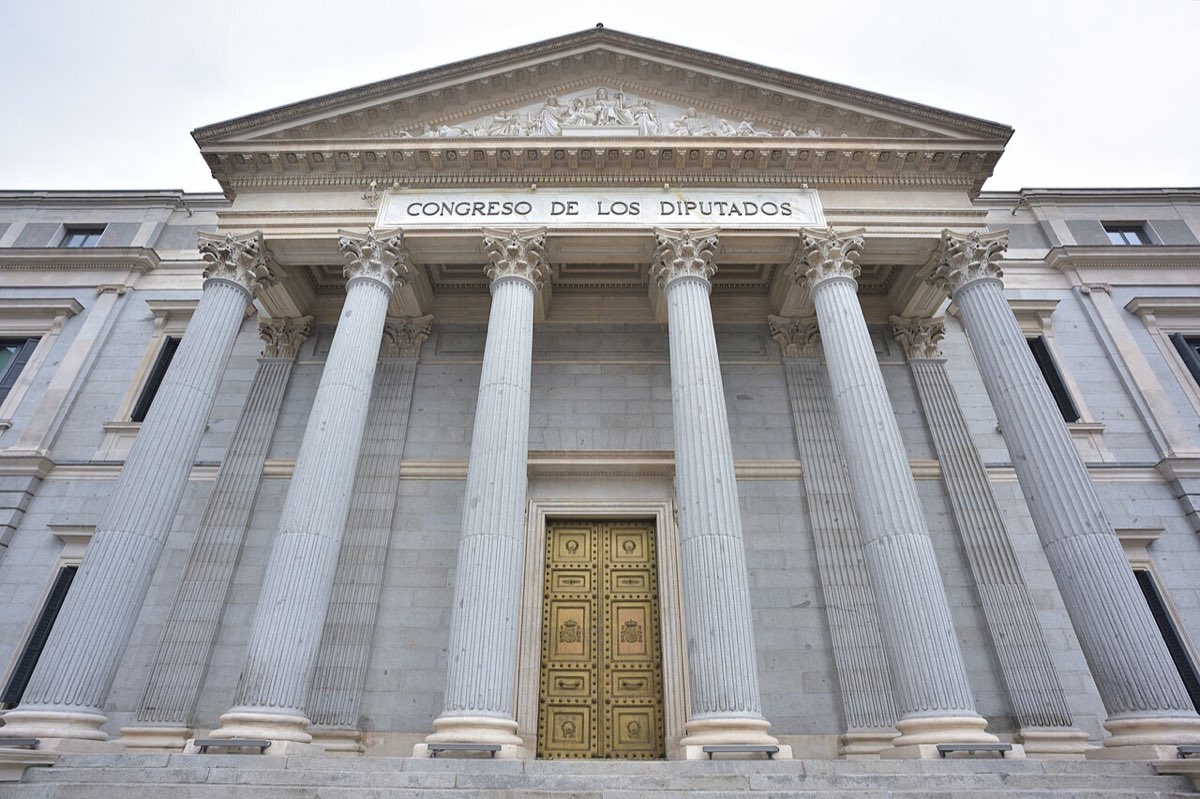
Prime Minister Pedro Sánchez put Carlos Cuerpo in temporary charge of Spain’s transport ministry on Wednesday. He replaces Óscar Puente, who resigned after the Urda rail crash killed 69 people.
Cuerpo will keep his posts as economy minister and first vice-president. He is due to run Transport until the general election on 29 November. Sánchez said he would carry on the work begun under Puente.
Puente announced his departure in Congress on Tuesday. He also withdrew from the election. He said he could not remain after two rail disasters of such scale in less than a year. A separate crash near Adamuz, Córdoba, killed 46 people in January.
The Urda collision happened on 28 October in Toledo province. A Renfe high-speed train hit the rear of an Iryo train that was standing on the track. The exact cause remains under investigation.
All victims identified
Forensic teams have identified all 69 people killed at Urda. The Centro Integrado de Datos said every family had been told. The relevant consular offices were also informed.
Fingerprints were used to identify 56 people. DNA tests confirmed the other 13. The remains of 55 people were available to their relatives when the centre gave its report.
More than 60 staff took part in the work in Toledo. They included forensic doctors, lab experts, autopsy staff and Guardia Civil officers. A support team was also set up for the families.
Aid and safety measures approved
The Cabinet has approved a €30 million package for victims and families. It sets aside €15 million for urgent grants and €15 million for insurance advances.
The family of each person killed will receive just over €72,121 in direct aid. Injured passengers will get between €2,400 and €84,100, based on the harm suffered. The aid is tax-free and can be combined with required insurance and civil claims.
Government offices will help people apply. Staff can visit those who cannot travel.
Puente also announced steps to make the rail network safer before leaving office. The Government plans fewer Madrid–Seville services until a safety review is complete and ERTMS is fitted. Two controllers would check decisions when automatic protection is not available. Trains would be limited to 40 km/h when drivers must move by sight.
New control-centre software would add alerts, call logs and checklists. The Government also plans an AI tool to spot unusual events and monitor talks between drivers and controllers.
Puente said the Madrid–Andalusia line could reopen within 10 days, with fewer trains than before the crash. Investigators have not yet finished their work.
Sources: InSpain.news, Spain English, Euro Weekly News, The Local Spain and Diario de Sevilla.
Open reading during our launch. No account or payment required.
ARTICLE SOURCES
Sources and corrections
- elDiario.es (opens in a new tab)
- El Confidencial (opens in a new tab)
- 20minutos (opens in a new tab)
- El País (opens in a new tab)
- HuffPost España (opens in a new tab)
- Diario de Sevilla (opens in a new tab)
- Diario de Cádiz (opens in a new tab)
- elDiario.es (opens in a new tab)
- Euro Weekly News (opens in a new tab)
- Spain English (opens in a new tab)
- The Local Spain (opens in a new tab)
- InSpain.news (opens in a new tab)
- Europa Press (opens in a new tab)
Current affairs
Madrid proposes €6,901 million budget with housing boost
2 min readPhoto: Szombat78 · CC0

Current affairs
Isaac Peral sinks retired Navy ship in Atlantic drill
2 min read
Current affairs
Andalusia plans Adamuz-style aid for Urda victims
2 min readPhoto: Pool Moncloa/Sandra Armada, lamoncloa.gob.es (Ministerio de la Presidencia) · Pool Moncloa, libre acceso