World / Story
EU and Indonesia agree to cut tariffs on most goods
The trade deal signed in Brussels would lower costs for exporters on both sides. It still needs approval from the European Parliament and ratification in Indonesia.

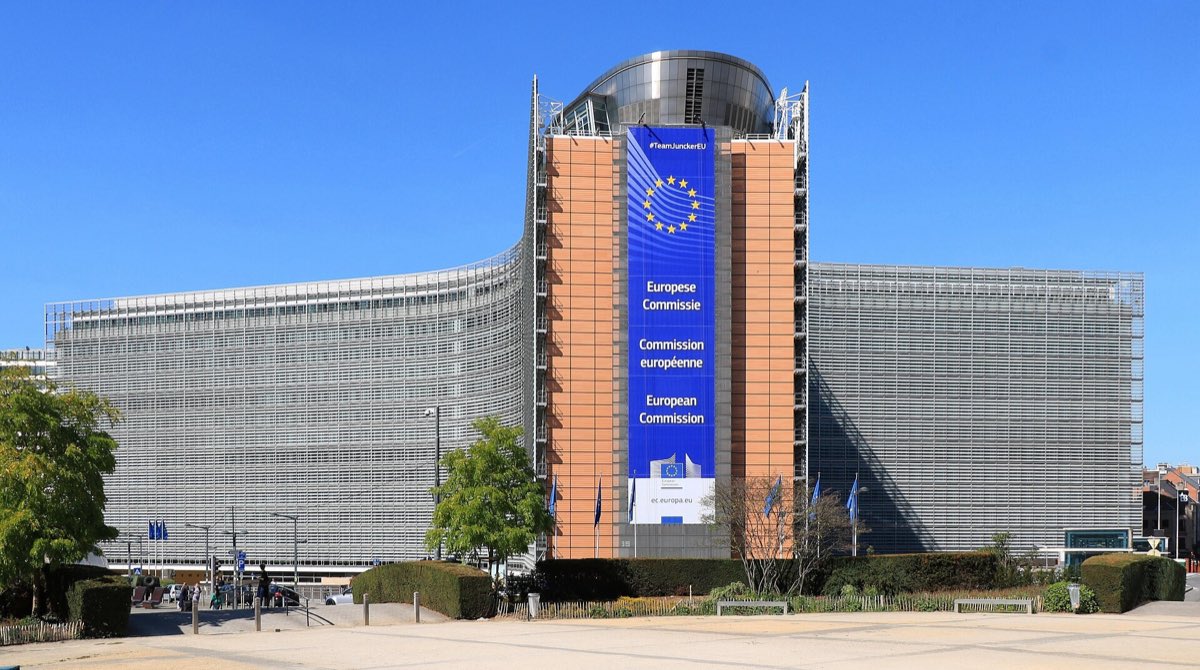
The EU and Indonesia signed a deal to cut tariffs on most goods traded between them in Brussels on Saturday 21 November. They also signed a pact to protect investment after nearly a decade of talks.
The trade deal is called the Comprehensive Economic Partnership Agreement, or CEPA. The Council of the EU says up to 98.5% of tariff lines will be liberalised once the pact is fully in place. European Commission President Ursula von der Leyen said the two sides make up a market of 730 million people. She called the pact one of the EU’s most far-reaching deals in Asia.
What the tariff cuts cover
The European Commission says EU exporters could save more than €600 million a year in customs duties. It expects exports to Indonesia to rise by nearly 40% within 15 years. It also projects that by 2042 the deal could add €16 billion to EU output and €27 billion to Indonesia’s.
Trade between the two sides came to €28.9 billion in 2025. The EU sold €10.2 billion in goods to Indonesia and bought €18.7 billion. Machinery and motor vehicles are among the sectors set to gain. The Commission says the deals will also open up investment in electric vehicles, electronics and medicines in Indonesia.
Indonesia’s economic affairs minister, Airlangga Hartarto, said about 90% of his country’s exports to the EU would go duty-free. He singled out palm oil, footwear and textiles. Palm oil and forest loss were sticking points in the talks. The trade pact includes a separate palm oil protocol to deal with concerns about the environment.
What happens next
The EU wants to spread its trade across more partners as ties with China and the United States become harder. Von der Leyen said Indonesian President Prabowo Subianto is due in Brussels on 11 December.
The pact still needs the European Parliament’s approval, and Indonesia must complete its ratification process. Euronews reported the deals could start to apply in early 2027. Deutsche Welle gave 2027 as the expected year for the trade deal to take effect.
Open reading during our launch. No account or payment required.
ARTICLE SOURCES
Sources and corrections
- Deutsche Welle (opens in a new tab)
- European Commission (opens in a new tab)
- Euronews (opens in a new tab)
- Euractiv (opens in a new tab)
- Council of the EU (opens in a new tab)