World / Story
EU budget talks end without a deal, leaving tech fund pending
EU leaders left Brussels after one day of talks on the next seven-year budget. The proposed €50 billion tech fund depends on a deal.
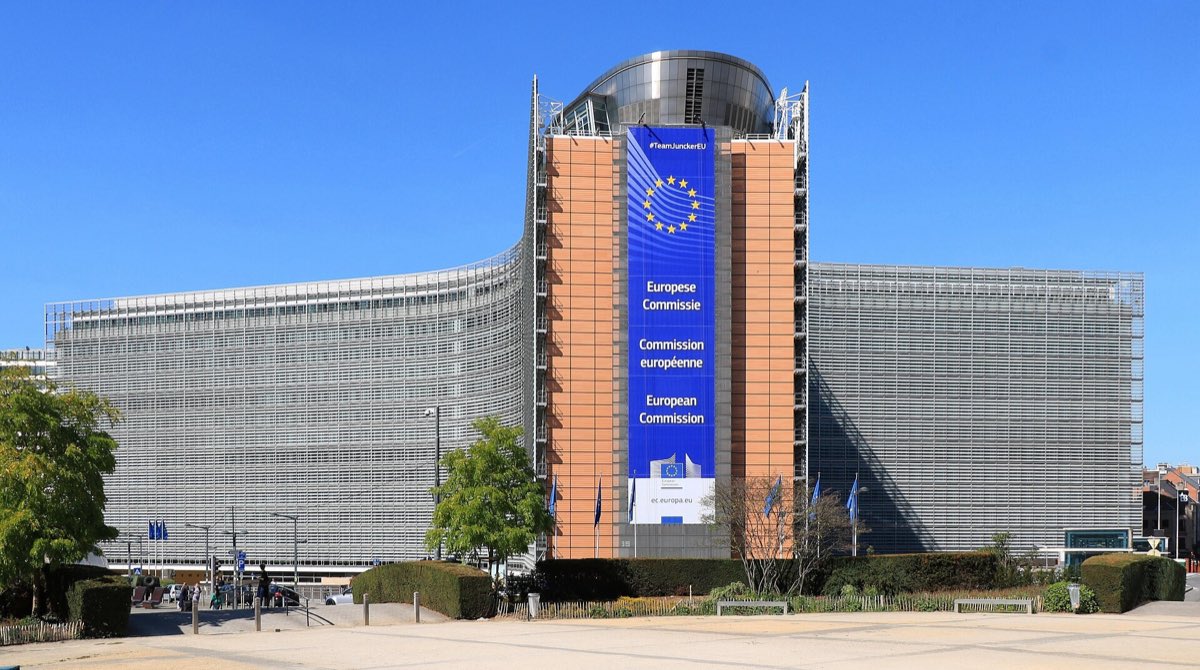
European Union leaders ended budget talks in Brussels late on Thursday 26 November without a deal. The summit had been due to run for two days, but the second day was dropped. The proposed €50 billion fund to back European tech firms still depends on a deal on the EU’s budget for 2028–2034.
European Council President António Costa said the talks helped show where a deal might be possible in December. The EU has set itself a goal of reaching a deal by the end of the year. French President Emmanuel Macron said he was ready to accept a good deal at the next summit in December. He said he could not carry on with the talks next year, when France holds a presidential election in April.
Where leaders disagree
Germany says it will only back the budget if all other EU countries agree to a further €45 billion loan for Ukraine. The loan would help cover aid through 2027. Hungary, Czechia, Bulgaria and Slovakia oppose it, arguing that funding arms would drag out the war. Slovak Prime Minister Robert Fico accused Germany of blackmail.
German Chancellor Friedrich Merz also wants to cut hundreds of billions of euros from the budget plan. Germany and six other countries that pay in more than they get back want cuts. France and Italy lead a group of 17 countries that want more spending.
The plan would reduce the share for farming, fisheries and aid to regions from 59.1% to 42.4%. The share for helping firms compete, security and defence would rise from 17.7% to 27.7%. France is pressing for farm aid to be kept up.
The talks also touched on how to raise more money for the EU. One idea is a 3% levy on US tech companies. France backs the idea, but any new EU-wide tax would need a separate vote after a budget deal. Ireland’s prime minister, Micheál Martin, said the levy would send the wrong message and that Ireland could veto it.
What the tech fund would do
The European Commission set out plans for the Sovereign Tech Equity Fund and a Quantum Act in Strasbourg on 25 November. The act aims to turn research into products and services, shore up supplies and prepare for risks posed by quantum computers.
The fund would buy stakes worth hundreds of millions of euros in tech firms the EU deems vital. It would use money from the EU, member states and partners such as the European Investment Bank to draw in private investors. The aim is to help firms grow in Europe and give them a source of finance at home.
EU tech chief Henna Virkkunen wants the fund to start at €50 billion, a figure Macron supports. The Commission puts the cost of the wider investment plan at about €500 billion. The Commission’s plan for the fund depends on what leaders agree for the next budget.
Open reading during our launch. No account or payment required.
ARTICLE SOURCES
Sources and corrections
- Euractiv (opens in a new tab)
- European Commission (opens in a new tab)
- Politico Europe (opens in a new tab)
- Council of the EU (opens in a new tab)
- Deutsche Welle (opens in a new tab)
- Politico Europe (opens in a new tab)
- France 24 (opens in a new tab)
- Deutsche Welle (opens in a new tab)