
World / Story
EU payment brings Ukraine’s budget loan receipts to €7.7 billion
Ukraine’s Finance Ministry says a new €3.7 billion payment will fund key public spending. The EU loan links further macro-financial aid to agreed reforms.
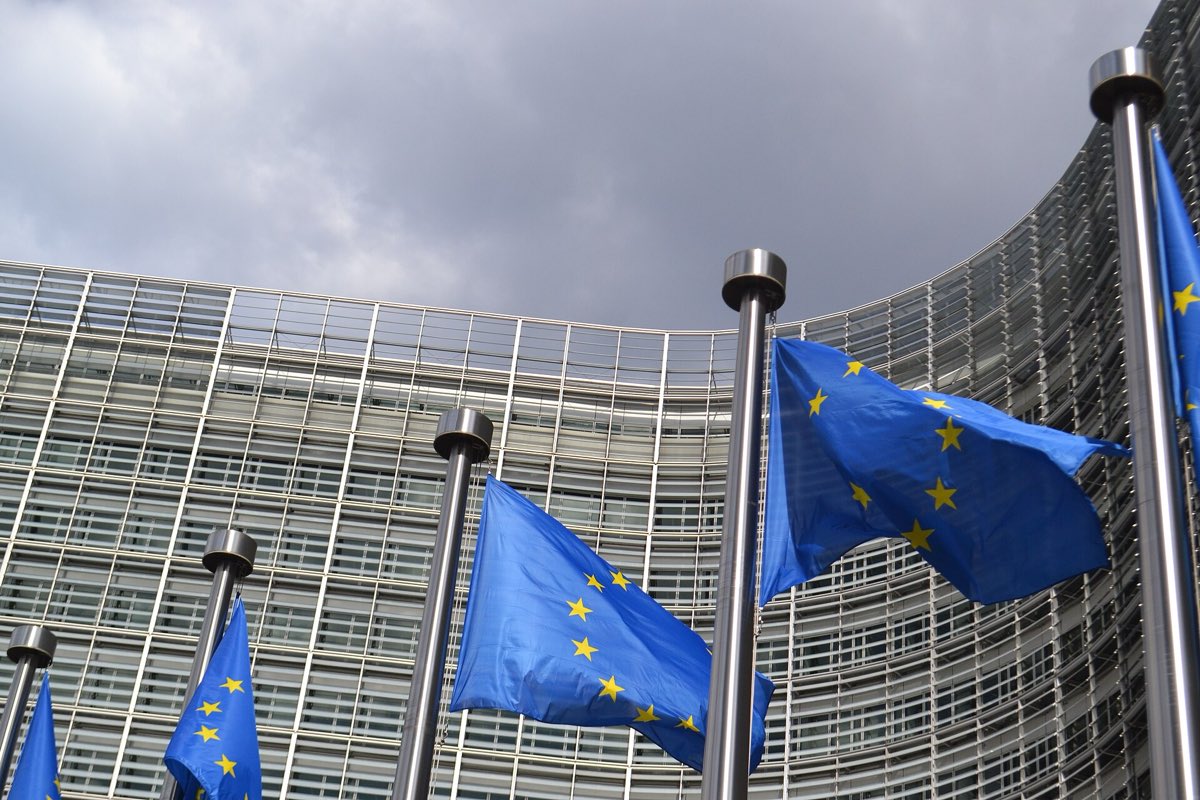
Ukraine has received €3.7 billion from the EU for its state budget, its Finance Ministry said on 5 November. The payment came through the Ukraine Support Loan.
The ministry said the money would meet key public spending needs and keep state bodies running during the war. It gave no separate date for when the funds arrived.
The payment brings budget support received through the loan to €7.7 billion. That sum includes €6.9 billion in macro-financial aid, the ministry said. Ukraine received the first €3.2 billion payment of that aid in June 2026.
Finance Minister Sergii Marchenko said the latest funds would help Ukraine meet its budget commitments. He said this would leave domestic funds free for security and defence.
Marchenko said the loan also gave Ukraine more certainty over its funding plans for 2026 and 2027.
The EU scheme provides up to €90 billion over those years, according to the ministry. Of that, €30 billion is for the economy and budget, and €60 billion for defence.
For 2026, the scheme allows up to €45 billion in support. That includes €16.7 billion for the budget and €28.3 billion for defence, including the arms industry. The ministry said €15.8 billion of the defence funds had been raised so far.
Budget aid flows through macro-financial aid and the Ukraine Facility. Each route can provide up to €8.35 billion in 2026, the ministry said.
The EU makes the macro-financial payments once Ukraine carries out agreed reforms. These cover how it manages and spends public funds, raises domestic revenue and moves towards EU membership.
The EU borrows the money on global markets, backed by its budget. The ministry said the loan principal was expected to be repaid from future Russian reparations or other compensation. It did not present those future payments as money already received.
Open reading during our launch. No account or payment required.
ARTICLE SOURCES