World / Story
US sanctions firms in Dubai over links to Iranian finance
The US Treasury says the measures target a financial network that helps Iran trade abroad. The list includes businesses in Dubai, Turkey and Hong Kong.
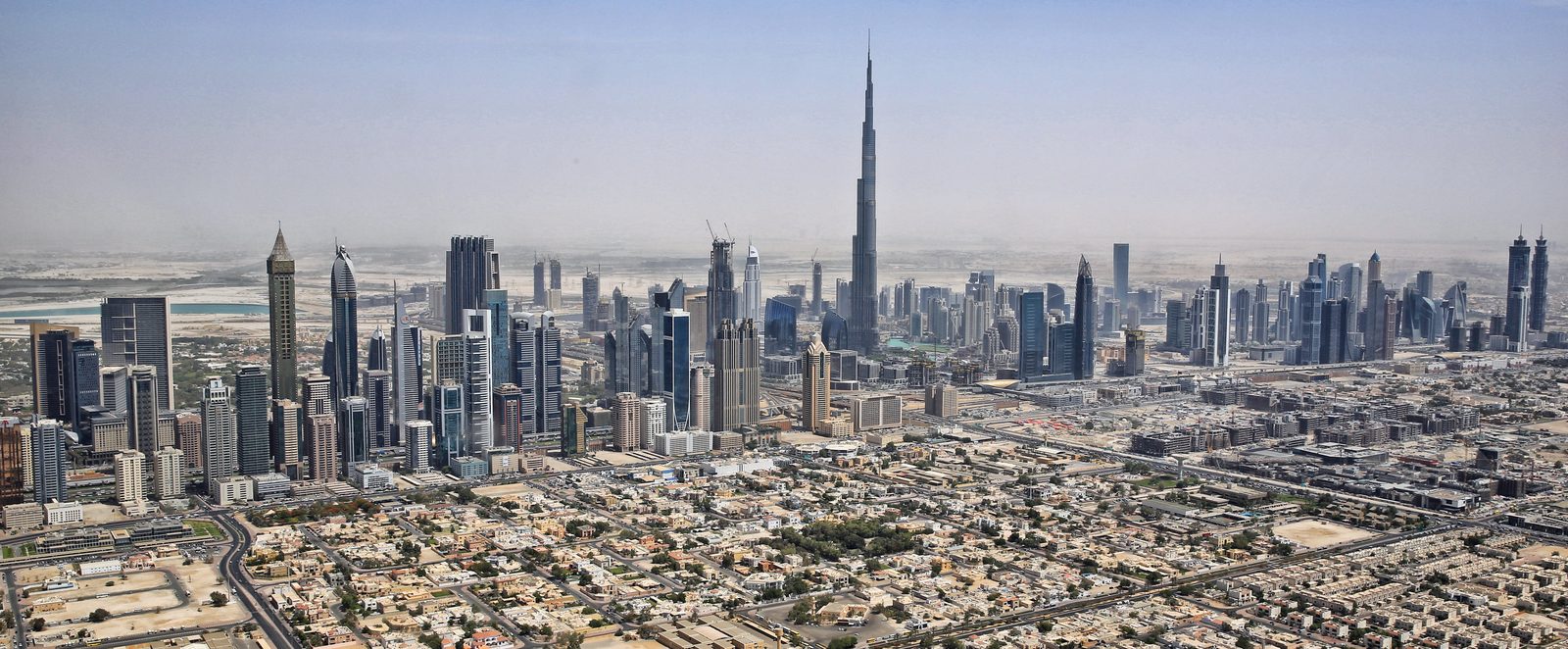
The US imposed sanctions on firms in Dubai on Monday over alleged links to Iranian finance. The measures cover more than two dozen exchange houses, companies and people the US says help run Iran’s shadow banking system.
The US Treasury said it aimed to cut off channels that handle much of Iran’s remaining foreign trade. The State Department said Iran uses the network to try to buy weapons and back armed groups it calls terrorist proxies in the Middle East.
The reach of the network
In a separate report, the Treasury flagged about $14.7 billion in activity that may be tied to Iranian shadow banking. Its estimate covers January 2025 to August 2026. It said the possible links span several continents. It singled out the UAE, Hong Kong and Singapore.
The Treasury says Iran’s central bank oversees the network. It says the system relies on dozens of exchange houses in Iran and firms linked to its banks. The State Department says thousands of shell and front firms move money for clients with ties to the Iranian state.
The list covers Iran, the United Arab Emirates, Turkey and Hong Kong. It includes at least eight firms in Dubai, one in Turkey and one in Hong Kong. The Treasury says the Dubai firms handled thousands of payments for exchange houses in Iran.
A wider US campaign
The State Department said the move is part of Operation Economic Outcast. It cited orders that cover Iran’s finance and metals sectors as well as powers to impose sanctions over terrorism. Treasury Secretary Scott Bessent said his department would keep taking action against the networks.
The US has rolled out new sanctions since August. US and Israeli strikes on Iran began in late February. The fighting has eased, but the Strait of Hormuz is still disputed and oil and gas prices remain high.
Open reading during our launch. No account or payment required.
ARTICLE SOURCES
Sources and corrections
- The Times of Israel (opens in a new tab)
- US State Department (opens in a new tab)
- Middle East Eye (opens in a new tab)