World / Story
Supreme Court takes up Trump’s US border asylum ban
The ban stays in force while the justices hear the case. Lower courts found Trump had exceeded his powers by stopping people from seeking asylum.
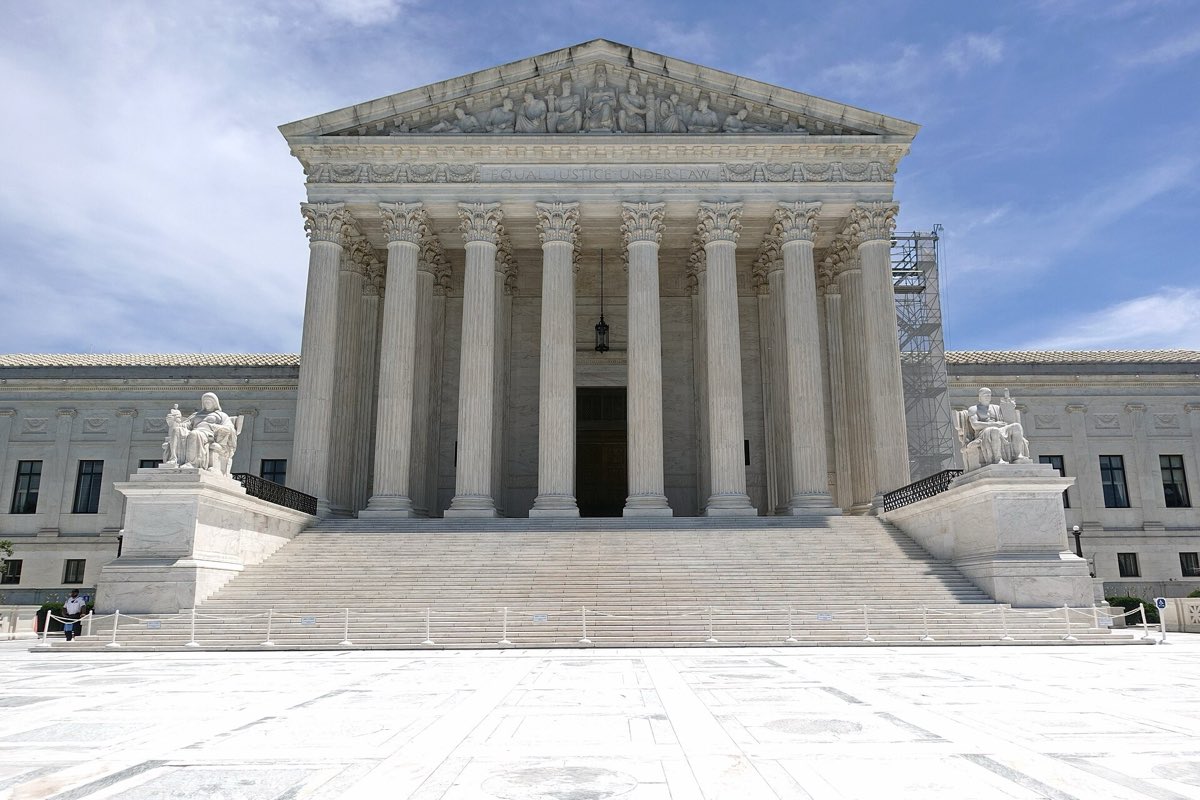
The Supreme Court agreed on Friday to hear a challenge to President Donald Trump’s asylum ban at the US southern border. The policy stays in force while the case goes ahead.
Trump issued the order on 20 January 2025, his first day back in office. He described the border as facing an invasion. It bars people who cross between official entry points from seeking asylum and other forms of legal protection.
The Department of Homeland Security issued rules to carry it out. Officials have used the policy to send people back at once, without letting them make an asylum claim.
CBS News said a ruling was expected in late June or early July. NBC News and PBS NewsHour put the expected decision by the end of June.
The right to apply
Federal law allows people who fear harm in their home country to seek asylum, regardless of how they entered. The government decides whether to grant each claim. Asylum lets those who receive it live and work legally in the US.
The law sets out a process in which people can show a credible fear of torture or persecution if sent home. Lawyers for the challengers say Trump cannot scrap those rights by order.
Three migrant aid groups and 13 people brought the case in February 2025. Their lawyers at the American Civil Liberties Union say the ban breaches the Immigration and Nationality Act.
In July 2025, federal judge Randolph Moss in Washington ruled against the ban. He found that neither the Constitution nor federal law gave Trump the power to replace rules passed by Congress.
Moss extended the case to cover everyone subject to the order and blocked its use against them. A split panel of three appeals judges upheld his ruling in April. The appeals court then put its decision on hold pending Supreme Court review. The ban has remained in use throughout the case.
Dispute over presidential power
Solicitor General D. John Sauer argues that the president has broad powers to bar entry. He cites a law allowing entry curbs when the president deems it harmful to US interests.
The government says it can reject all claims covered by the order. It argues that it should be spared the task of hearing claims it would turn down.
Its lawyers say long waits for decisions helped drive a surge at the border. Many people were let into the US while their cases were heard. Lawyers at the ACLU and National Immigrant Justice Center say crossings were falling before Trump returned to office.
This is the third major case on Trump’s migrant policies before the court this term. The others concern removals to third countries and being held without a time limit or a bond hearing.
The court backed the government in a separate asylum case earlier this year. That could let it revive a policy that turned people back at the border. In June, it blocked Trump’s order to curb citizenship by birth. It had upheld his first-term travel ban.
Unlawful crossings at the border with Mexico have reached record lows during Trump’s second term. At the same time, the number of people held under migrant enforcement has reached new highs.
Open reading during our launch. No account or payment required.
ARTICLE SOURCES