Current affairs / Story
Spain’s first general strike in 14 years disrupts transport
Pickets blocked roads and slowed bus departures on 11 November, as unions reported strong support in ports and employers said turnout was low.
Spain’s first general strike in 14 years began at midnight on 11 November. Pickets blocked roads and slowed bus departures. The CCOO and UGT unions called the strike with other unions and campaign groups. They called for better pay and action on housing and the cost of living.
Disruption on roads and at depots
Madrid Metro ran half its usual service for most of the day and 80% at peak times. Peak ridership was down 42% from the same time the previous week. Pickets held up traffic on the M-30 and A-42. Work stopped at Airbus. Police arrested one person at Mercamadrid on suspicion of throwing a fence at an officer.
In Catalonia, the tenants’ union said pickets had blocked more than 60 roads. They included the A-2 and the Ronda Litoral. There were also pickets at Mercabarna and in the Zona Franca. About forty masked people kept RTVE Catalunya’s El Cafè d’Idees off the air at its scheduled start.
Valencia’s port came close to a halt, according to Franjo Martínez of CCOO. He said no ships had entered. The unions said crews were on hand to deal with dangerous goods, food that could spoil and emergencies. Pickets briefly blocked access to Mercavalencia and slowed buses leaving the San Isidro depot. CCOO criticised the 80% minimum service set for city buses. In Alicante, police charged a picket at Rabasa. Some people were hurt and two were held before being let go mid-morning.
Police reported about twenty arrests across Spain by eight in the morning. The Basque police made 13 arrests in the first hours. In Pamplona, firefighters put out bin fires and the affected road reopened.
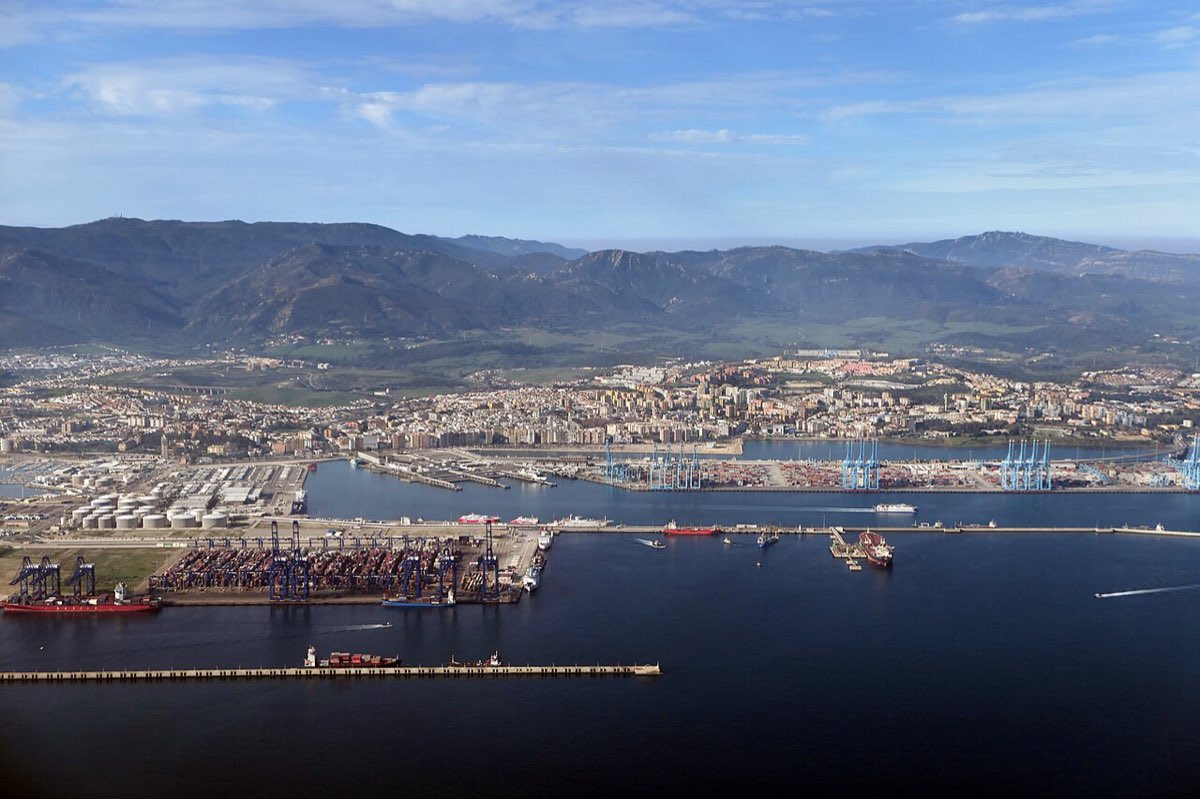
The port of Algeciras came to a standstill. Workers at the Navantia yard in San Fernando voted against joining the strike and went to work. The strike committee called off marches in Algeciras and La Línea de la Concepción amid a storm warning. The state weather agency warned that gusts could top 120 km/h.
Unions and employers give different counts
Unions put early turnout at around 90% in ports and car plants and 75% in the energy sector. They put it at about 85% in the meat sector, where a separate strike was also under way. Employers said most people went to work and trade was largely normal.
In Catalonia, CCOO put turnout at 84%, while the employers’ group Pimec put it at 8.9%. Pimec said 29% of firms that opened had slowed or stopped work. It blamed much of that on travel delays. Power use was down about 10% early in the day and about 5% by noon. Those figures measure demand for power. The unions and employers gave their own estimates of how many people stopped work.
Open reading during our launch. No account or payment required.
ARTICLE SOURCES
Sources and corrections
- ABC (opens in a new tab)
- La Voz de Cádiz (opens in a new tab)
- Valencia News (opens in a new tab)
- 20minutos (opens in a new tab)
- Europa Press (opens in a new tab)
- elDiario.es (opens in a new tab)
- RTÉ (opens in a new tab)