Spain / Story
Renfe drivers move Thursday strike to 23 November
The Semaf union postponed the walkout to give talks more time after Spain approved a rail safety decree. A sector-wide strike on 17 November remains planned.
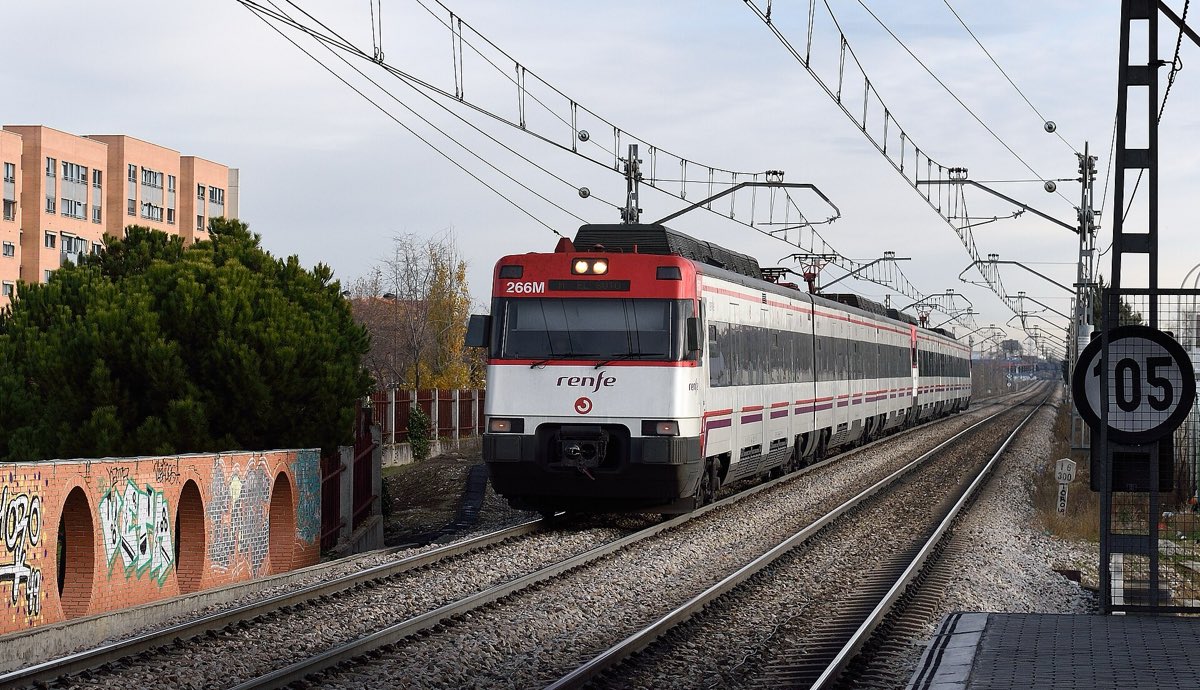
The Semaf drivers’ union said on Tuesday 10 November that it had moved Thursday’s Renfe strike to Monday 23 November. The union said the delay would give it more time to talk with the Spanish government about unmet pledges. A separate strike across the rail sector on 17 November remains on the calendar.
The decision came after Spain’s cabinet approved an emergency decree on rail safety and social protection. The decree takes effect once it appears in Spain’s official gazette. Semaf called it the first concrete gain in the dispute. The union said it would judge progress by which measures were approved and in force.
Semaf chief Diego Martín said the transport ministry had handed over papers on the union’s demands after talks with acting transport minister Carlos Cuerpo. Martín said Cuerpo was willing to make progress. The union says safety deals struck in February have yet to be carried out in full. Renfe says it has met its own pledges and that the steps still pending are outside its remit.
The dispute grew more acute after the 28 October rail crash at Urda, near Toledo, which killed 69 people. The union has called for binding rules on how to act when weather alerts are in force. It also wants clearer warnings about risks and breaks from driving.
How Tuesday’s strike affected trains
The new date came after a 24-hour strike across the state-owned Renfe group on Tuesday. Madrid and Catalonia saw some of the worst disruption on commuter lines. Renfe said it had called off 40.8% of its commercial trains by 09:00. It put strike turnout at 19.64% across the night and morning shifts by 10:00.
Some Madrid commuter lines had no trains and others ran only from time to time. Access to platforms was limited at Atocha and Móstoles Central. Madrid’s transport consortium co-ordinated metro services and city and intercity buses to help make up for the loss of trains.
In Catalonia, Rodalies chief Òscar Playà said about half the trains due under minimum service rules had run by 09:00. Sílvia Paneque, the Catalan minister for territory, said 61 of 107 trains had been called off. She said 30 of 73 drivers had not turned up and that 67 buses had been put on. Paneque asked Renfe for details and called for it to open disciplinary cases.
Buses replaced some trains from Seville’s Santa Justa station to Granada, Córdoba and Málaga. Renfe offered free changes or refunds for tickets on affected trains. It said few seats were free on other trains. The consumer group OCU said tickets and receipts could support claims.
Open reading during our launch. No account or payment required.
ARTICLE SOURCES
Sources and corrections
- El Confidencial (opens in a new tab)
- Málaga Hoy (opens in a new tab)
- elDiario.es (opens in a new tab)
- El Mundo (opens in a new tab)
- Diario de Sevilla (opens in a new tab)
- 20minutos (opens in a new tab)
- The Olive Press (opens in a new tab)
- La Vanguardia (opens in a new tab)
- elDiario.es (opens in a new tab)
- Andalucía Información (opens in a new tab)