World / Story
Costa keeps talks on Ukraine funding for Brussels summit
EU leaders will discuss Ukraine in Dublin, but António Costa has set aside the Brussels summit later in November for talks on how to fund Kyiv in 2027.
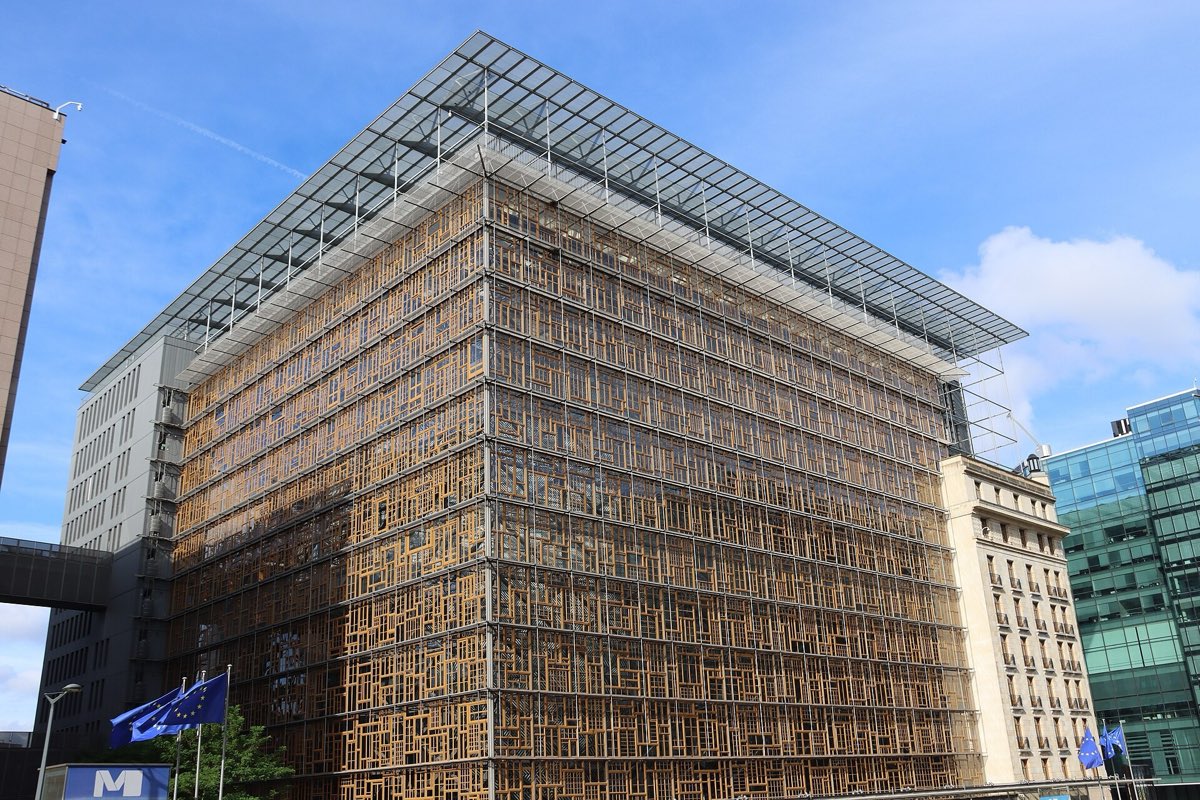
European Council President António Costa will make time for a broad discussion on Ukraine when EU leaders meet in Dublin on 13 November. But he is keeping talks on how to pay for Ukraine’s needs in 2027 for a special summit in Brussels on 26–27 November. Costa expects the European Commission to put forward a proposal before the Brussels meeting.
Costa set out the timetable in a reply to German Chancellor Friedrich Merz. In a letter dated 9 November, Merz had asked leaders to give Ukraine’s funding needs priority in Dublin. He also said Germany’s support for the next EU budget would depend on all member states taking on a fair share of the cost of helping Ukraine.
Merz cast aid to Kyiv as a matter of European security. He said a small group of countries had carried much of the burden of providing cash and arms. Germany is Ukraine’s largest source of aid from a single country.
How to fund Ukraine in 2027
Ukraine faces a gap of about €70 billion in its budget for 2027. The EU has pledged to cover roughly two-thirds, or about €45 billion, but has yet to agree on how to raise the money. A new round of joint borrowing has emerged as the leading option. Valdis Dombrovskis, the EU’s economy commissioner, said he was cautiously hopeful the bloc could cover its share.
Merz also wants the EU to pay for long-term aid from 2028 and to cover interest on its existing €90 billion loan to Ukraine. The first interest payment falls due in 2027. The EU had put the annual cost at €3 billion, but it revised that estimate as borrowing costs rose. Ukraine will only have to repay the principal once Russia agrees to pay war reparations.
Where member states stand
Hungary, Slovakia and the Czech Republic secured exemptions from the existing loan. They and Bulgaria want to stay out of future loans. Slovak Prime Minister Robert Fico called the German approach blackmail. Denmark, Finland, the Netherlands and Sweden back linking aid to the budget. Those countries want cuts, while the Friends of Cohesion group wants to protect spending.
Irish Finance Minister Simon Harris said it was hard to discuss the budget without taking aid to Ukraine into account. Poland’s deputy minister Ignacy Niemczycki warned that tying the two together could make a deal harder to reach.
Leaders will also discuss the EU budget for 2028–2034 in Brussels. Both the budget and the funding for Ukraine need unanimous backing under the current rules. Germany wants future decisions on aid for Ukraine to pass by qualified majority.
Open reading during our launch. No account or payment required.
ARTICLE SOURCES
Sources and corrections
- Euronews (opens in a new tab)
- Ukrinform (opens in a new tab)
- Euractiv (opens in a new tab)
- Council of the EU (opens in a new tab)
- Kyiv Independent (opens in a new tab)
- Euronews (opens in a new tab)